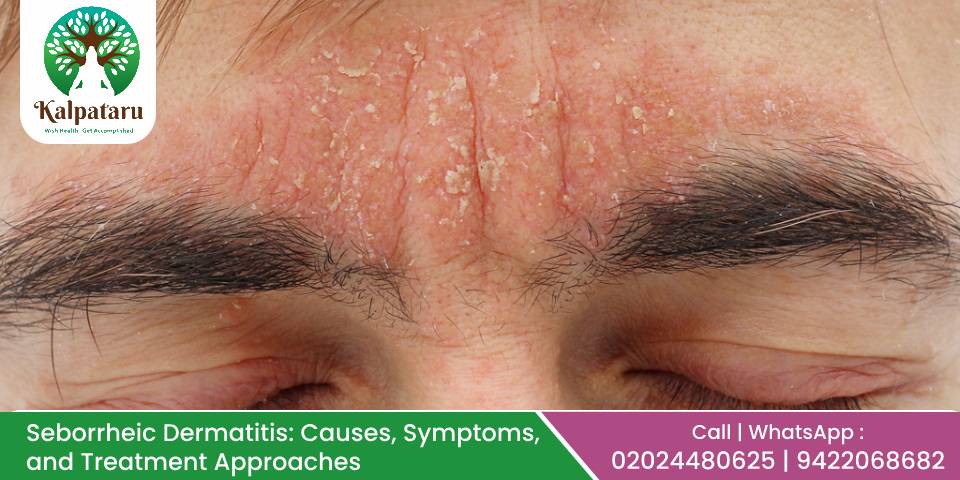
Seborrheic dermatitis is a common, long-term skin condition that causes red, itchy, and flaky patches on the scalp and face. While it is most known for causing persistent seborrheic dermatitis on the scalp (often appearing as stubborn dandruff), it can also affect the eyebrows, beard, ears, and chest. Because the symptoms are highly visible, many people feel uncomfortable or self-conscious in social situations.
In Ayurveda, skin disorders are treated by identifying and correcting the root imbalance inside the body rather than simply controlling symptoms. Many people today are searching for effective seborrheic dermatitis ayurvedic treatment options because Ayurvedic therapies focus on long-term relief, healthy skin restoration, and prevention of recurring flare-ups. If you are looking for a natural and holistic ayurvedic treatment for seborrheic dermatitis, expert guidance can make a significant difference in managing the condition effectively.
Dr. Manoj M. Deshpande is a highly experienced Ayurvedic Doctor in Pune with 26+ years of expertise in treating chronic skin diseases through Ayurveda. He is widely recognized for his specialized approach to Ayurvedic treatment for skin diseases and has helped many patients achieve healthier skin with personalized herbal medicines, dietary guidance, and lifestyle correction.
This condition usually develops when the skin’s oil-producing glands become irritated, leading to inflammation, scaling, itching, and redness. Factors such as stress, hormonal imbalance, oily skin, weather changes, poor immunity, and unhealthy lifestyle habits can worsen symptoms over time. With proper Ayurvedic care and a personalized treatment plan, it is possible to reduce flare-ups naturally and support long-term skin health.
Common Symptoms of Seborrheic Dermatitis:
Living with seb dermatitis often involves more than just a dry scalp; it is a complex condition that affects both your skin and your confidence. Here are the most frequent seborrheic dermatitis symptoms and symptoms for dandruff that patients experience:
- Persistent Itching: This is often the most frustrating symptom of dandruff and inflammation, particularly when it flares up on the scalp or behind the ears.
- Redness and Flaking: You may notice inflamed, red patches covered with white or yellowish flakes. While common on the scalp, this can also appear on the eyebrows, sides of the nose, and chest.
- Scaly, Greasy Patches: Unlike simple dry skin, the affected areas often feel oily. The skin can develop thick, crusty scales that are difficult to wash away.
- Visible Scaling (Dandruff): Flakes often shed onto clothing, which is a hallmark sign of the condition.
- Emotional Impact: Because these symptoms are often visible on the face and hairline, many patients deal with significant embarrassment and self-consciousness in social situations.
What are the causes of Dandruff and Contributing Factors:
Identifying what causes seborrheic flare-ups is the first step toward finding a long-term solution. While the exact trigger can vary from person to person, seborrheic dermatitis on the scalp and body is typically driven by a combination of internal and external factors:
- Excessive Oil Production: Naturally oily skin provides the perfect environment for irritation. When your sebaceous glands produce too much sebum, it can lead to the greasy scaling characteristic of this condition.
- Fungal Overgrowth (Malassezia): A yeast-like fungus called Malassezia lives on everyone’s skin, but in some individuals, it grows uncontrollably. This overgrowth is one of the primary itchy scalp causes, leading to inflammation and flaking.
- Immune System Sensitivity: An overactive or stressed immune system may react aggressively to the presence of yeast on the skin, triggering the redness and “seborrheic eczema” patches.
- Lifestyle & Environmental Triggers: External factors play a massive role in how the skin reacts; high levels of mental or physical stress can cause sudden flare-ups, while cold, dry winter air often worsens the condition. Additionally, inconsistent rest and a diet high in sugar or dairy can further aggravate skin inflammation and lead to persistent scaling.
Seborrheic Dermatitis Treatment
In modern medicine, seborrheic dermatitis treatment typically involves a combination of topical and oral medications designed to manage symptoms and reduce inflammation. If you are seeking a scalp treatment for seborrheic dermatitis, common clinical approaches include:
- Antifungal Treatments: Antifungal agents like ketoconazole are widely used, particularly in specialized shampoos, to reduce fungal overgrowth and address the root of the infection.
- Anti-inflammatory Medications: To manage redness and swelling, doctors may prescribe topical corticosteroids for short-term use. These are often the first line of seborrheic dermatitis and treatment for calming flare-ups.
- Oral Antifungals: In more severe or persistent cases, oral antifungal medications may be considered to provide systemic relief when topical solutions aren’t enough.
- Steroids (in serious cases): When the condition is resistant to standard therapies, stronger steroids are sometimes prescribed to break the cycle of inflammation.
While these treatments may provide temporary symptom relief, recurrence is common once medications are stopped. This is why many people now prefer ayurvedic medicine for seborrheic dermatitis, as Ayurveda focuses on balancing the body internally, improving skin health naturally, and reducing the chances of repeated flare-ups. Ayurvedic therapies may include herbal medicines, medicated oils, detoxification therapies, dietary correction, and lifestyle changes tailored to the patient’s body constitution.
Ayurvedic Perspective on Seborrheic Dermatitis:
At Kalpataru Ayurvediya Chikitsalaya™, recognized as one of the best Ayurvedic clinics in Pune, a holistic and root-cause-based approach is followed for seborrheic dermatitis treatment in ayurveda. Instead of only suppressing symptoms temporarily, Ayurveda focuses on correcting internal imbalances, improving digestion, detoxifying the body, and restoring healthy skin naturally.
Many patients today prefer seborrheic dermatitis ayurvedic treatment because Ayurvedic therapies aim to provide long-term relief without dependency on steroid-based products. Our personalized ayurvedic treatment for seborrheic dermatitis includes lifestyle correction, herbal medicines, dietary guidance, and natural external applications designed according to the patient’s body constitution and severity of symptoms.
- Personalized Lifestyle Modifications
In seborrheic dermatitis ayurvedic treatment begins with a detailed analysis of the patient’s lifestyle, diet, stress levels, digestion, and sleep patterns. Factors such as poor digestion, excessive oily foods, irregular sleep, and emotional stress can disturb the balance of Pitta and Kapha doshas. These imbalances are considered major contributors to seborrheic dermatitis on the scalp and other sensitive skin areas.
- Internal Cleansing and Balancing
According to Ayurveda, seborrheic dermatitis scalp conditions are often linked to toxin accumulation (Ama) and blood impurities. To restore internal balance, Ayurvedic herbal formulations such as Manjishthadi Kashaya and Aaragvadhadi Kashaya are used to detoxify the body and reduce inflammation. This approach forms an important part of ayurvedic medicine for seborrheic dermatitis and helps reduce recurring flare-ups naturally.
- Targeted Topical Applications
For patients experiencing itching, redness, and flaking, specialized topical therapies are recommended as part of seborrheic dermatitis scalp ayurvedic treatment. Ayurvedic ointments prepared with purified Gandhak (sulfur) help soothe irritation and reduce itching. Herbal pastes made with yogurt and herbs like Kachura, Daruharidra, and Triphala provide cooling relief and help calm inflamed scalp tissue naturally.
- Healing Herbal Hair Washes
The clinic also prepares herbal scalp cleansing formulations containing Triphala, Guduchi (Tinospora), Haridra (Turmeric), and Jyeshthamadha (Licorice). These medicated washes gently cleanse the scalp, reduce stubborn dandruff, improve scalp circulation, and support long-term healing. Such therapies are commonly recommended in seborrheic dermatitis ayurvedic treatment plans for patients struggling with chronic scalp scaling and irritation.
- Internal Herbal Medications
Ayurvedic formulations like Guggulu compounds and Arogyavardhini Vati work as internal purifiers and support healthy skin from within. These herbal remedies are widely used as ayurvedic medicine for seborrheic dermatitis because they target the root cause of inflammation and help maintain long-term skin balance instead of providing only temporary relief.
For more information on the best scalp treatment for seborrheic dermatitis watch our informative video
Panchakarma Therapy for Accelerated Healing:
Panchakarma, a key Ayurvedic detoxification process, is also beneficial for treating seborrheic dermatitis. Some of the recommended Panchakarma therapies include:
- Takra Dhara (Buttermilk Pouring Therapy): This unique Kerala Ayurvedic therapy involves pouring medicated buttermilk on the forehead, which helps reduce stress and balances pitta and kaf dosh, improving immunity and reducing fungal infections in the scalp.
- Virechana (Purgation Therapy): This therapy helps cleanse accumulated toxins and balances pitta and kapha doshas, addressing the root of seborrheic dermatitis.
- Raktamokshana (Bloodletting): Raktamokshana, or bloodletting, is a specialized Ayurvedic treatment aimed at purifying the blood by removing impurities. It is especially beneficial for conditions where intense infections or inflammation are present, such as severe scalp infections. In cases where scalp infections are particularly severe, leech therapy (Jalaukavacharan) is employed to draw out the impure blood. Alternatively, bloodletting may also involve the controlled withdrawal of 100-200 ml of blood from specific veins. This process promotes the formation of purified blood, reducing allergic factors in the body, which in turn accelerates healing and recovery. Raktamokshana helps alleviate symptoms and restore balance in the system, contributing to faster and more effective management of chronic conditions like seborrheic dermatitis.
- Nasya (Nasal Medication): Nasya is a treatment in Ayurveda that is specifically recommended for the organs located above the shoulders. This treatment involves the careful administration of medicinal oils or herbal preparations through the nasal passages. By applying a few drops of these medicated oils into the nose, Nasya therapy helps improve blood circulation to the scalp, boosts immunity, and effectively reduces infections in the affected areas.
Benefits of Ayurvedic Treatment at Kalpataru Ayurvediya Chikitsalaya:
The Ayurvedic approach goes beyond symptom management, addressing the root causes and offering long-term relief. Thousands of patients with seborrheic dermatitis have found lasting improvements by following this personalized Ayurvedic approach, which includes dietary adjustments, lifestyle modifications, and therapeutic herbal treatments.
Conclusion:
Seborrheic dermatitis can be challenging to manage, especially when conventional treatments provide only temporary relief. seborrheic dermatitis in ayurveda offers a comprehensive solution that not only targets the symptoms but also enhances overall health by balancing the body’s internal environment. By focusing on lifestyle and diet changes, stress reduction, and herbal treatments, Ayurveda provides a sustainable approach to managing and healing seborrheic dermatitis.
FAQs On seborrheic dermatitis on scalp
While there is no permanent “one-time cure” in modern medicine, seborrheic dermatitis is a highly manageable chronic condition.
- Management over Cure: Think of it like sensitive skin; it requires ongoing care. You can remain symptom-free for long periods with the right routine.
- The Goal: Treatment focuses on clearing the white patches on head, reducing redness, and stopping the itch so your scalp feels healthy and normal.
- Ayurvedic Perspective: Ayurveda aims to “cure” the root cause by balancing internal doshas (Pitta and Kapha) through detox and diet, which can lead to very long-lasting remission.
No, dandruff is not contagious. You cannot catch it from someone else, and you cannot spread it by sharing combs, hats, or pillows.
- The Cause: It is usually caused by a natural yeast called Malassezia that lives on everyone’s skin.
- The Trigger: Flaking happens only when your body overreacts to this yeast or produces too much oil. Since it’s your own body’s reaction, it isn’t “catchy.”
To get rid of a flare-up and keep your scalp clear, follow these steps for the best scalp treatment for seborrheic dermatitis:
- Medicated Shampoos: Use products containing Ketoconazole, Selenium Sulfide, or Zinc Pyrithione. These target the yeast directly.
- Loosen the Scales: If you have thick seborrhea in scalp areas, apply mineral oil or coconut oil for an hour before washing to gently soften the crusts.
- Don’t Scratch: Scratching damages the skin barrier and can lead to infections or temporary hair thinning.
- Stress Control: High stress is a major trigger for seb dermatitis. Simple breathing exercises or better sleep can reduce flare-ups.
If you notice white patches on head or scalp, it is usually a sign of skin cells shedding too quickly.
- Dandruff vs. SD: Small, dry white flakes are usually standard dandruff. Large, greasy, yellowish-white patches with red skin underneath are typically seborrheic dermatitis scalp issues.
- Other Causes: Sometimes, thick silvery-white patches can indicate Scalp Psoriasis. If the patches are itchy and inflamed, it is most likely seborrheic dermatitis in scalp regions.