
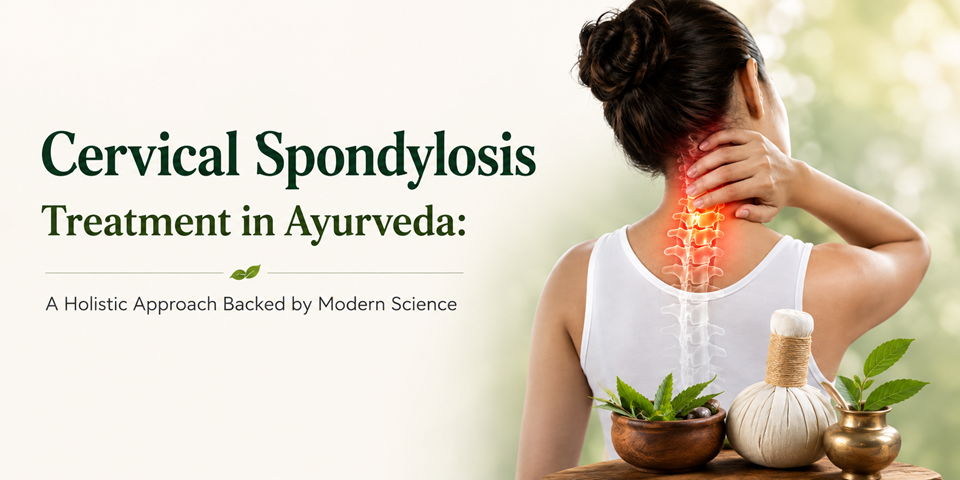
Is Your Neck Trying to Tell You Something?
Persistent neck pain, stiffness, headaches, or tingling in your arms should never be ignored. These are classic cervical spondylosis symptoms, a condition that affects millions of people worldwide. With today’s desk jobs, excessive mobile phone use, poor posture, and sedentary lifestyle, people in their 30s and 40s are increasingly seeking effective ayurvedic treatment for cervical neck pain.
With over 26 years + experience in clinical practice at Kalpataru Ayurvediya Chikitsalaya™, Dr. Manoj M. Deshpande—widely recognized as the best ayurvedic doctor in pune—emphasizes that long-term relief requires healing the spine from within. As per Dr. Manoj, while conventional medicine focuses on temporary relief through painkillers, muscle relaxants, or surgery in severe cases, seeking ayurvedic treatment for cervical spondylosis in Pune offers a comprehensive, holistic approach that addresses the root cause rather than merely suppressing symptoms.
In this blog, we explore cervical spondylosis in Ayurveda along with modern scientific research to help you discover the best ayurvedic treatment for cervical spondylosis available today.
What is Cervical Spondylosis?
Cervical spondylosis is an age-related degenerative condition affecting the cervical spine (neck region). Over time, the intervertibral discs lose water content, cartilage wears down, bones develop spurs (osteophytes), and ligaments become stiff.
These structural changes may compress nearby nerves or even the spinal cord, giving rise to persistent neck issues that require timely cervical spondylosis treatment.
Common Cervical Spondylosis Symptoms:
- Persistent neck pain
- Neck stiffness
- Pain radiating to shoulders or arms
- Tingling or numbness in hands
- Weakness in arms
- Frequent headaches
- Dizziness
- Muscle spasms
- Reduced neck mobility
In advanced cases, patients may experience difficulty with balance, coordination, or walking due to spinal cord compression.
Why is Cervical Spondylosis Increasing?
Why is neck pain becoming so common today? The primary cervical spondylosis causes stem from age-related degeneration combined with modern lifestyle factors:
- Prolonged computer and desk work without breaks
- Excessive smartphone usage (commonly known as “Tech Neck”)
- Poor sitting, standing, and sleeping posture
- Lack of physical activity and spinal flexibility
- Obesity and increased strain on spinal joints
- Stress-related chronic muscle tension
- Repetitive neck movements or occupational strain
- Previous neck injuries or trauma
Cervical Spondylosis in Ayurveda: Understanding the Root Cause
To understand cervical spondylosis symptoms and treatment in ayurveda, we must look at how classical texts describe spinal ailments. Although the modern term is recent, cervical spondylosis in Ayurveda closely correlates with conditions like Manya Graha, Manya Stambha, and general Vata Vyadhi.
According to Ayurvedic principles, the condition develops primarily due to an aggravation of Vata Dosha, especially when accompanied by degeneration of Asthi Dhatu (bone tissue) and Majja Dhatu (nerve tissue).
Key Ayurvedic Causes of Vata Imbalance:
Key Ayurvedic Causes of Vata Imbalance:
- Excessive consumption of dry, cold, or stale foods
- Irregular eating habits and weak digestive fire (Agni)
- Chronic emotional stress and anxiety
- Lack of adequate sleep (Ratri Jagaran)
- Excessive traveling and exposure to cold winds
- Natural aging process
- Suppression of natural bodily urges (Vega Dharana)
When Vata becomes aggravated, it causes dryness, degeneration, stiffness, pain, restricted movement, and nerve irritation.
Therefore, Ayurvedic Treatment for Spondylosis focuses on:
Pacifying and balancing aggravated Vata Dosha
Deeply nourishing bones, intervertebral discs, and nerve tissues
Improving blood circulation and easing muscle spasms
Reducing localized inflammation and restoring mobility naturally
Comprehensive Cervical Spondylosis Treatment in Ayurveda:
At Kalpataru Ayurvediya Chikitsalaya™, under the expert guidance of Dr. Manoj M. Deshpande, Spondylosis Treatment in Ayurveda is personalized according to the patient’s unique body constitution (Prakriti), disease severity, age, digestive capability, and associated conditions.
1. Abhyanga (Medicated Oil Massage):
Warm herbal oils are gently massaged around the neck, shoulders, and upper back.
Benefits:
- Improves circulation
- Relaxes muscles
- Reduces stiffness
- Lubricates joints
- Calms aggravated Vata
2. Greeva Basti:
Greeva Basti is one of the most effective external therapies in cervical spondylosis ayurvedic treatment.
In this treatment:
- A dough ring is placed over the cervical region.
- Warm medicated oil is retained inside for a prescribed duration.
Benefits include:
- Deep nourishment
- Pain reduction
- Improved flexibility
- Muscle relaxation
- Better nerve nutrition
3. Patra Pinda Sweda:
A herbal leaf bolus fomentation therapy that combines medicinal leaves with heat.
Benefits:
- Reduces inflammation
- Relieves muscle spasm
- Improves mobility
- Enhances blood circulation
4. Agnikarma Therapy:
Agnikarma is one of the specialised Ayurvedic procedures used for managing chronic musculoskeletal conditions, including cervical spondylosis. In this treatment, a rod or a small needle made of five metals (Panchadhatu) is heated and used to provide a mild thermal touch over the affected area. Alternatively, indirect Agnikarma treatment is performed using a gold needle (Suvarna Shalaka) and a candle.
This controlled application of heat helps reduce muscle spasm, relieve pain, and improve neck mobility. By relaxing the affected muscles and supporting better movement, patients often experience improved comfort and flexibility.
Following Agnikarma, the Ayurvedic medicines prescribed at our clinic help provide strength and nourishment to the muscles, nerves, bones, and intervertebral discs. This holistic approach aims to support tissue healing and may help slow down or reverse the progression of the disease, depending on the individual’s condition and stage of degeneration.
5. Panchakarma Therapy:
Depending on individual health conditions, comprehensive cervical spondylosis treatment may involve:
- Basti (medicated enema)
- Nasya (nasal administration of medicated oils)
- Virechana (therapeutic purgation)
- Swedana (medicated steam therapy)
Among these, Basti is considered one of the most effective Panchakarma therapies for chronic Vata disorders affecting bones and joints.
6. Herbal Medicine for Cervical Spondylosis in Ayurveda
Internal medicine for cervical spondylosis in ayurveda works synergistically with external therapies to strengthen the spine from within:
- Ashwagandha: Strengthens neck muscles and neuro-muscular connections.
- Shallaki (Boswellia serrata): Reduces joint inflammation and eases pain.
- Guggulu (e.g., Yograj Guggulu, Trayodashang Guggulu): Rejuvenates bone tissue and reduces degenerative stiffness.
- Rasna & Devdar: Relieve pain and reduce Vata-induced inflammation.
- Bala & Dashamoola: Nourish nerve tissue and restore structural strength.
These herbs are traditionally used to support joint health, reduce inflammation, nourish tissues, and help balance aggravated Vata. Treatment should always be taken under the supervision of a qualified Ayurvedic practitioner.
Scientific Evidence Supporting Ayurveda:
Modern research is increasingly evaluating Ayurvedic interventions for chronic musculoskeletal disorders.
Clinical studies show that holistic cervical spondylosis ayurvedic treatment can:
- Reduce chronic neck pain
- Improve cervical range of motion
- Enhance quality of life
- Reduce dependence on long-term pain medication
- Improve functional ability in patients with degenerative cervical disorders
Several herbal ingredients traditionally used in Ayurveda have also been studied.
- Ashwagandha: Research suggests Ashwagandha possesses anti-inflammatory, antioxidant, and neuroprotective properties that may support muscle recovery and help reduce stress-related pain.
- Boswellia (Shallaki): Boswellia contains boswellic acids, which have been investigated for their ability to reduce inflammatory pathways involved in joint disorders.
- Guggulu: Traditionally used for musculoskeletal conditions, Guggulu has shown anti-inflammatory and tissue-supportive potential in preclinical and clinical research.
While these findings are promising, larger, high-quality clinical trials are still needed. Ayurvedic treatment should complement evidence-based medical care and be guided by a qualified practitioner.
Latest Advances in Cervical Spondylosis Treatment:
Modern medicine has introduced several innovations for managing cervical spondylosis.
- Advanced Imaging
- High-resolution MRI
- Dynamic MRI
- 3D CT imaging
These techniques allow earlier detection of disc degeneration, nerve compression, and spinal cord involvement.
Regenerative Medicine:
Researchers are investigating therapies such as:
- Platelet-Rich Plasma (PRP)
- Stem cell-based regenerative approaches
- Growth factor therapies
These remain under active research and are not yet considered standard treatment for routine cervical spondylosis.
Artificial Intelligence in Spine Care:
AI-assisted tools are increasingly helping clinicians by:
- Detecting spinal degeneration from imaging
- Predicting disease progression
- Assisting treatment planning
- Supporting rehabilitation monitoring
- Minimally Invasive Spine Surgery
For patients with severe nerve compression who do not respond to conservative treatment, modern spine surgery offers minimally invasive techniques that can reduce tissue damage and shorten recovery times. Surgery is generally reserved for specific indications such as progressive neurological deficits or significant spinal cord compression.
Cervical Spondylosis Exercises & Yoga for Neck Health:
Incorporating daily cervical spondylosis exercises and yogic stretches helps maintain spinal flexibility and strengthen supporting neck muscles:
Under professional supervision, practices that may help improve posture, flexibility, and muscle strength include:
- Gentle Neck Mobility Exercises: Slow neck rotations, side bending, and isometric neck strengthening exercises (under expert guidance).
- Yogasanas:
- Bhujangasana (Cobra Pose) – Strengthens the upper back.
- Makarasana (Crocodile Pose) – Relaxes the spine.
- Tadasana (Mountain Pose) – Improves overall posture.
- Marjariasana-Bitilasana (Cat-Cow Stretch) – Enhances vertebral flexibility.
- Pranayama: Practice Anulom Vilom (Alternate Nostril Breathing) and Bhramari to calm the nervous system and reduce muscle tension.
- Caution: Avoid sudden jerks, forward bending under strain, or forceful movements during acute pain.
Lifestyle Tips to Prevent Cervical Spondylosis:
Ayurveda strongly emphasises prevention. Daily recommendations include:
- Maintain correct posture while working.
- Keep computer screens at eye level.
- Avoid prolonged mobile phone use with the head bent forward.
- Perform gentle neck mobility exercises regularly.
- Practise yoga under guidance.
- Manage stress through meditation or breathing exercises.
- Sleep on a supportive pillow.
- Stay physically active.
- Eat a balanced, nourishing diet.
- Avoid smoking and excessive alcohol.
- Yoga for Cervical Spine Health
When Should You See a Doctor?
Seek medical attention promptly if you experience:
- Severe or worsening neck pain
- Persistent numbness or weakness in the arms
- Difficulty walking or maintaining balance
- Loss of bladder or bowel control
- Symptoms after a major injury
- Fever, unexplained weight loss, or severe night pain
These symptoms may indicate conditions requiring urgent evaluation.
Final Thoughts:
Cervical spondylosis doesn’t have to limit your mobility or affect your daily life. By addressing the root cause through authentic Ayurvedic therapies, posture correction, and targeted herbal formulations, you can achieve long-lasting relief from cervical neck pain without relying permanently on painkillers.
At Kalpataru Ayurvediya Chikitsalaya™—recognized as the best ayurvedic clinic in pune—we offer specialized Panchakarma therapies and customized treatment plans tailored to restore your spinal health naturally.
Visit Kalpataru Ayurvediya Chikitsalaya™ to explore our holistic treatment options.
Book an appointment with Dr. Manoj M. Deshpande today for expert Ayurvedic guidance and care.
FAQs
While cervical spondylosis is primarily an age-related degenerative condition, achieving long-term or permanent relief from symptoms is entirely possible without relying endlessly on painkillers.
In Ayurveda, managing cervical spondylosis permanently involves addressing its root cause—aggravated Vata Dosha and tissue degeneration. A permanent management strategy combines:
- Targeted Therapies: Deep tissue nourishment through Greeva Basti, Abhyanga, and Panchakarma to rejuvenate degenerated intervertebral discs and nerve roots.
- Internal Herbal Formulations: Consuming Ayurvedic remedies like Guggulu, Ashwagandha, and Shallaki under physician supervision to restore bone and nerve health.
- Lifestyle & Ergonomic Modifications: Correcting workstation ergonomics, maintaining healthy posture, and doing daily neck-strengthening exercises.
- Dietary Changes: Consuming warm, nourishing, Vata-pacifying foods to prevent further disc dehydration and degeneration.
By combining early diagnosis, authentic Ayurvedic treatment, and disciplined posture care, patients can live completely symptom-free lives without disease recurrence.
Yes, cervical spondylosis can cause vertigo, a clinical condition often referred to as Cervicogenic Vertigo.
When cervical spondylosis progresses, bone spurs (osteophytes), disc herniation, or muscle spasms in the neck region can compress or irritate the vertebral arteries and sympathetic nerves passing through the cervical vertebrae. This compression reduces optimal blood flow to the brainstem and inner ear (which regulates balance), leading to episodes of vertigo, lightheadedness, or a spinning sensation—especially during sudden neck movements or prolonged abnormal neck posture.
Ayurvedic therapies like Greeva Basti, Nasya, and targeted neck massages help relieve nerve pressure, relax tight neck muscles, improve arterial blood circulation, and eliminate spondylosis-induced vertigo naturally.
Yes, dizziness is a well-documented symptom of cervical spondylosis.
Dizziness caused by neck degeneration occurs due to two main reasons:
Arterial Compression: Degenerative changes in the cervical spine can temporarily compromise blood supply through the vertebral arteries to the brain.
Proprioceptive Disruption: The neck muscles and joints contain delicate sensory receptors (proprioceptors) that tell your brain where your head is in space. Chronic stiffness, inflammation, or nerve compression in cervical spondylosis distorts these signals, confusing the brain and resulting in feelings of dizziness, unsteadiness, or off-balance sensations.
Treating the underlying inflammation and muscle stiffness through Ayurvedic cervical spondylosis treatment restores normal nerve signalling, improves cerebral circulation, and effectively resolves associated dizziness.