
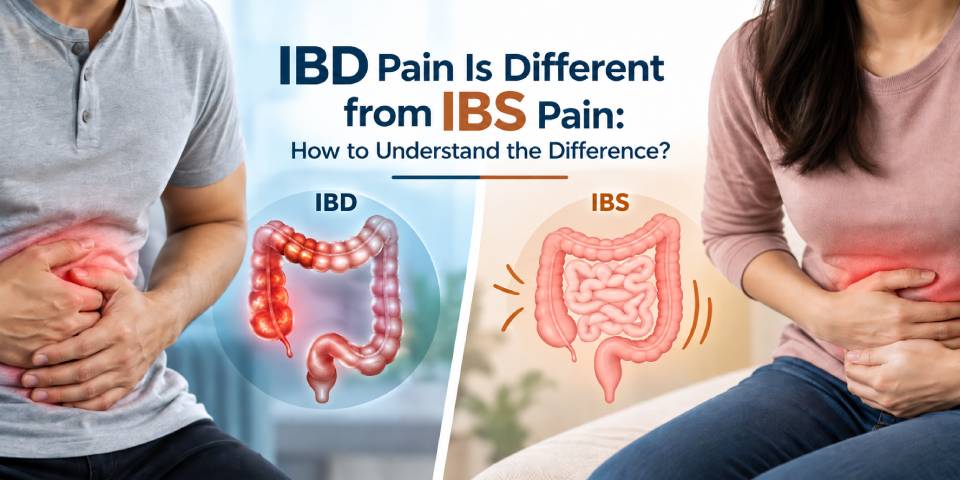
Abdominal pain is a common digestive complaint, but not all abdominal pain has the same cause. Two conditions that are often confused are Inflammatory Bowel Disease (IBD) and Irritable Bowel Syndrome (IBS). Although both can cause abdominal discomfort, bloating and changes in bowel habits, they are fundamentally different conditions and require different approaches to management.
From an Ayurvedic perspective, digestive health is closely connected with Agni, the body’s digestive and metabolic function. Ayurveda also considers the balance of Vata, Pitta and Kapha when understanding digestive symptoms. However, when symptoms suggest an inflammatory or structural bowel disease, proper medical evaluation is important before considering an Ayurvedic approach.
What Is IBD?
Inflammatory Bowel Disease is a group of chronic conditions involving inflammation of the digestive tract. The two major forms are Crohn’s disease and ulcerative colitis.
IBD can cause symptoms such as:
- Persistent abdominal pain or cramping
- Frequent diarrhoea
- Blood or mucus in stools
- Unexplained weight loss
- Fatigue
- Reduced appetite
- Fever in some cases
- Urgency to pass stools
The pain associated with IBD may occur along with active intestinal inflammation. Its location and intensity can vary depending on the type and location of the disease.
IBD is not simply a functional digestive problem. It can involve visible inflammation and intestinal damage, which is why diagnosis may require blood tests, stool tests, imaging or endoscopic evaluation.
What Is IBS?
Irritable Bowel Syndrome is a functional gastrointestinal disorder in which a person experiences symptoms such as abdominal pain, bloating and changes in bowel habits without the intestinal inflammation or tissue damage typically seen in IBD.
IBS may present as:
- IBS with diarrhoea
- IBS with constipation
- IBS with alternating diarrhoea and constipation
- Abdominal pain with bloating and altered bowel habits
The discomfort in IBS may be related to altered bowel movement, increased sensitivity of the intestine, food triggers and the interaction between the gut and nervous system.
Unlike IBD, IBS does not generally cause intestinal ulcers or inflammation.
IBD Pain vs IBS Pain: What Is the Difference?
One of the easiest ways to understand the difference is to look at the overall pattern of symptoms, rather than abdominal pain alone.
With IBS, abdominal pain may be associated with bowel movements and may improve or change after passing stool. Bloating and changes in stool frequency or consistency are also common.
With IBD, pain may occur together with signs of active inflammation such as persistent diarrhoea, blood in the stool, fever, fatigue or unintended weight loss.
However, pain alone cannot reliably distinguish IBS from IBD. A person should not self-diagnose based only on the nature or location of abdominal pain.
How Ayurveda Understands Digestive Pain?
Ayurveda gives significant importance to Agni, or digestive capacity. When Agni becomes disturbed, digestion may become irregular and symptoms such as gas, bloating, abdominal discomfort, constipation or loose stools can occur.
Ayurveda also considers the role of the three Doshas.
Vata and Digestive Pain:
Vata imbalance is commonly associated with:
- Gas and bloating
- Irregular bowel movements
- Constipation
- Abdominal cramps
- Variable digestive symptoms
When Vata is aggravated, abdominal discomfort may fluctuate and may be associated with irregular digestion.
Pitta and Intestinal Symptoms:
Pitta is associated with digestion, metabolism and heat. An imbalance involving Pitta may be considered when symptoms include:
- Burning sensation
- Loose stools
- Increased digestive sensitivity
- Acidity
- Irritation in the digestive tract
In Ayurveda, these symptoms are assessed as part of the individual’s overall Prakriti, Vikriti, Agni and Dosha status, rather than treating a symptom in isolation.
Does Ayurveda Consider IBS and IBD the Same?
No. It is important not to equate IBS and IBD.
Ayurvedic concepts such as Grahani, Atisara, Arsha and other gastrointestinal disorders may have certain symptom similarities with modern digestive conditions, but they should not automatically be considered exact equivalents of IBS, Crohn’s disease or ulcerative colitis.
A qualified Ayurvedic physician evaluates the individual’s symptoms and overall health and develops an approach accordingly.
For someone experiencing symptoms suggestive of IBD, modern diagnostic evaluation is particularly important because untreated intestinal inflammation can lead to complications.
Ayurvedic Treatment Perspective: How the Approach May Differ?
From an Ayurvedic treatment perspective, IBS and IBD are approached differently. In IBS, Agni Vikruti, or disturbance of digestive function, is considered an important factor. Therefore, treatment may focus on improving Pachaka Agni and supporting proper digestion of food, healthy formation and passage of stool, regular bowel movements and better control over symptoms such as constipation or frequent loose stools.
Ayurveda also considers Grahani to be functionally weakened in such conditions, and treatment may aim to improve its strength through individually selected medicines and formulations, including Parpati-based preparations where considered appropriate by a qualified Ayurvedic physician.
In IBD, greater attention may be given to aggravated Pitta Dosha or Vikruta Teja Mahabhuta and to reducing the inflammatory tendency associated with these disturbances. Certain symptom patterns may be understood in relation to the Ayurvedic description of Raktatisara. The treatment approach may include Vrana Ropana, or support for healing intestinal ulcers, along with restoring a disturbed immune response.
This is better understood as immune restorative or immune-regulating care rather than simply immune boosting. Depending on the individual’s condition, Ayurvedic physicians may consider preparations made from plants such as Panchavalkala and procedures such as a retention enema prepared with Panchavalkala decoction and Jatyadi Ghrita to support ulcer healing and address the condition at a deeper level. Such medicines and procedures should be used only under the direct supervision of a qualified Ayurvedic physician and alongside appropriate gastroenterological care.
Ayurvedic Approach to Digestive Health:
From an Ayurvedic perspective, maintaining healthy digestion involves more than simply avoiding one particular food. Attention is given to diet, meal timing, digestion, sleep, stress and lifestyle.
Depending on the individual’s condition, an Ayurvedic physician may consider:
- Dietary routine: Freshly prepared, suitable and easily digestible foods may be preferred according to the person’s digestive capacity.
- Regular meals: Eating at relatively consistent times can help maintain a healthy digestive routine.
- Agni assessment: Ayurveda considers whether digestion is weak, irregular, excessive or affected by other factors.
- Stress management: The gut and mind are closely connected. Stress can influence bowel habits and digestive symptoms, particularly in people with IBS.
- Individualised treatment: Ayurvedic management is traditionally personalised rather than using the same medicine or diet for everyone with abdominal pain.
When Should You See a Doctor?
Persistent abdominal pain should not automatically be assumed to be IBS.
Medical evaluation is especially important if you experience:
- Blood in the stool
- Black or tarry stools
- Unexplained weight loss
- Persistent diarrhoea
- Fever
- Severe or worsening abdominal pain
- Anaemia
- Symptoms that regularly wake you during the night
- A significant change in bowel habits
These symptoms may require investigation for IBD or other gastrointestinal conditions.
Can Ayurveda and Modern Gastroenterology Work Together?
For chronic digestive conditions, an integrated and well-supervised approach can sometimes be useful. Diagnosis of conditions such as Crohn’s disease and ulcerative colitis should be established through appropriate medical evaluation.
If a person has already been diagnosed with IBD, they should not stop prescribed medicines or replace them with Ayurvedic medicines without discussing it with their treating doctor.
Understanding Your Abdominal Pain Matters:
IBS and IBD may appear similar at first because both can cause abdominal pain and bowel changes. But the underlying mechanisms are different. IBD involves inflammation of the digestive tract, while IBS is primarily a functional disorder without the intestinal inflammation characteristic of IBD.
Ayurveda approaches digestive health by looking at the individual as a whole, with particular attention to Agni, Dosha balance, diet, lifestyle and mental well-being.
At Kalpataru Ayurved Chikitsalaya™, digestive complaints can be assessed from an Ayurvedic perspective while recognising when appropriate medical investigation is necessary. If abdominal pain or bowel changes are persistent, recurrent or associated with warning signs, timely professional evaluation is important.
Disclaimer:
This article is for educational purposes only and should not be considered a substitute for medical diagnosis or treatment. People with persistent abdominal pain, blood in stools, unexplained weight loss, fever or suspected IBD should consult a qualified healthcare professional. Ayurvedic medicines or therapies should be taken only under the guidance of a qualified Ayurvedic physician.