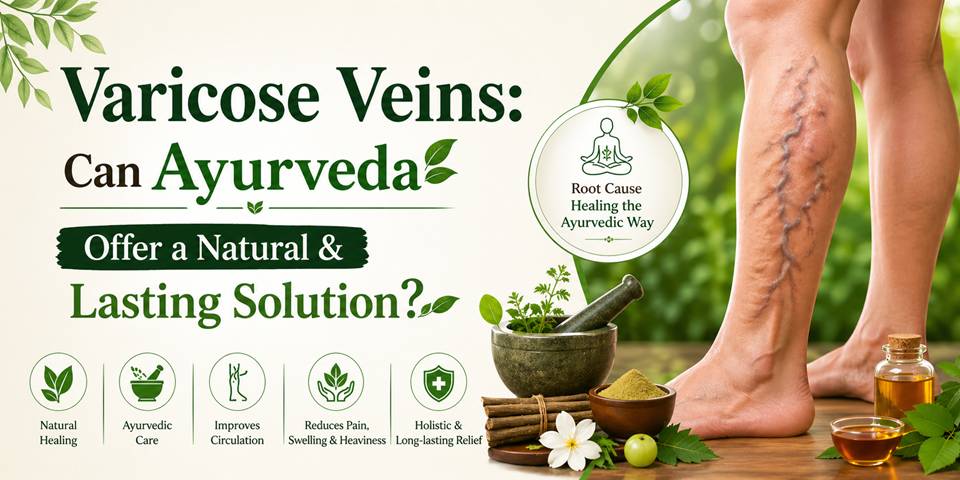
Varicose veins are more than just a cosmetic concern—they can cause discomfort, pain, heaviness in the legs, and in some cases, lead to serious complications. With increasing sedentary lifestyles, prolonged standing jobs, and rising obesity, this condition is becoming more common.
While modern treatments like laser therapy and surgery are available, many patients are now exploring Ayurveda for a safer, holistic, and long-term solution.
To help us understand the Ayurvedic perspective on this condition, we have insights from Dr. Manoj M. Deshpande, a highly qualified Ayurvedacharya with over 26 years of clinical experience. Holding a Bachelor of Ayurvedic Medicine and Surgery (B.A.M.S.), Dr. Deshpande is recognized as the Best Ayurvedic Doctor in Pune, PCMC, & Mumbai.
As a specialist in Ayurvedic Treatment for Skin Diseases, Dr. Deshpande has extensive expertise in managing complex vascular and inflammatory disorders, including Psoriasis and Urticaria. Since varicose veins often lead to skin discoloration and eczema (Venous Eczema), his deep understanding of skin and blood-related disorders (Rakta Dhatu) is invaluable for patients seeking high-quality, dedicated care.
Let’s understand the scope of Ayurvedic treatment in varicose veins in a comprehensive way.
What Are Varicose Veins?
Varicose veins are enlarged, twisted veins usually seen in the legs due to improper functioning of venous valves, leading to blood pooling and increased pressure.
Why You Should Not Ignore Varicose Veins?
Varicose veins should never be taken casually—especially when they become chronic and severe. If left untreated, they can lead to serious complications such as:
- Varicose ulcers (non-healing wounds, usually near the ankle)
- Varicose eczema (persistent itching, irritation, and skin changes)
In many cases, patients develop wounds near the ankle that continuously discharge fluid, cause intense itching, and become very difficult to heal. These conditions can significantly impact quality of life.
Timely treatment is extremely important to prevent these complications.
Common Symptoms:
- Visible bluish or purplish veins
- Leg heaviness and fatigue
- Swelling in ankles and feet
- Burning or throbbing pain
- Itching around veins
- Skin discoloration or ulcers (advanced stages)
Ayurvedic Perspective on Varicose Veins:
In Ayurveda, varicose veins can be correlated with:
- Siragata Vata
- Siraj Granthi
- Raktadushti
Dosha Involvement:
- Vata → Loss of elasticity in veins
- Pitta → Inflammation, burning sensation
- Kapha → Heaviness, stagnation
Ayurveda focuses on restoring balance, improving circulation, and detoxifying the blood.
Root Cause & Risk Factors:
Varicose veins primarily occur due to damage or weakness in venous valves, which disrupts proper blood flow.
Additionally, certain habits can worsen the condition:
- Tobacco use and smoking significantly damage blood vessels and accelerate disease progression
- Avoiding these is essential for maintaining healthy veins and improving treatment outcomes
Scope of Ayurvedic Treatment in Varicose Veins:
1. Internal Medications (Herbal Support):
Herbal formulations help strengthen veins and improve blood circulation.
Common Herbs:
- Manjistha – Blood purifier
- Gotu Kola (Mandukparni) – Improves vein strength
- Guggulu – Anti-inflammatory
- Neem – Detoxifier
- Arjuna – Supports vascular health
Classical Ayurvedic Medicines (Used with Medical Guidance):
Certain traditional formulations can also be beneficial, but must be taken strictly under the supervision of a qualified Ayurvedic doctor, as dosage and combinations vary based on individual constitution:
- Kaishore Guggulu
- Gokshuradi Guggulu
- Chandraprabha Vati
- Tapyadi Loha
Supportive Herbs:
- Dashamoola
- Punarnava
- Sahachara
These help reduce inflammation, swelling, and improve circulation when used appropriately.
2. Panchakarma Therapies:
Jalaukavacharana (Leech Therapy)
- Removes impure blood
- Reduces pain and swelling
- Improves circulation
Raktamokshana
- Relieves venous congestion
Abhyanga (Oil Massage)
- Improves lymphatic drainage
Basti Therapy
- Balances Vata (key root cause)
3. External Applications:
- Medicated oils (Sahacharadi Taila, Nirgundi oil)
- Herbal pastes (Lepa)
These help reduce swelling, pain, and skin discoloration.
4. Diet & Lifestyle Modifications:
Recommended
- Fiber-rich diet
- Warm, light food
- Adequate hydration
Avoid
- Junk food
- Excess salt & spicy food
- Prolonged standing or sitting
Lifestyle Tips
- Elevate legs regularly
- Walk daily
- Maintain healthy weight
5. Yoga, Exercise & Pranayama:
Certain yogasanas play a vital role in improving muscle strength and circulation.
Recommended Asanas:
- Sarvangasana
- Paschimottanasana
- Ardha Shalabhasana
- Dhanurasana
- Naukasana
- Tadasana
These asanas strengthen calf and thigh muscles, improving the muscle pumping mechanism. Strong muscles help compress veins effectively, preventing blood stagnation and promoting upward flow toward the heart.
Pranayama (Breathing Practices):
- Nadi Shodhana
- Anulom Vilom
- Kapalbhati
These practices help improve overall circulation and purify body channels (nadis), supporting better vascular health.
Kalpataru Ayurvediya Chikitsalaya – Treatment Approach:
At Kalpataru Ayurvediya Chikitsalaya, the treatment of varicose veins is designed with a personalized and step-by-step protocol, backed by over 25 years of Ayurvedic expertise.
Step 1: Detailed Consultation & Diagnosis
- Assessment of Dosha imbalance
- Evaluation of vein condition and severity
- Understanding lifestyle and root cause
Step 2: Customized Treatment Plan
- Individualized herbal medicines
- Diet and lifestyle correction plan
- Stage-wise therapy planning
Step 3: Specialized Therapies
- Jalaukavacharana (Leech Therapy) under expert supervision
- Local therapies to reduce swelling and pain
- Panchakarma procedures if required
Step 4: Ongoing Monitoring
- Regular follow-ups
- Adjustments in treatment based on progress
- Prevention of recurrence
Step 5: Long-Term Care & Prevention
- Lifestyle coaching
- Yoga and activity guidance
- Maintenance medicines if needed
The focus is not just symptom relief, but long-term healing and prevention of progression, making it a reliable non-surgical option for many patients.
Advantages of Ayurvedic Treatment:
- Treats root cause
- Non-surgical and minimally invasive
- Fewer side effects
- Improves overall circulation and health
- Cost-effective
Limitations & When Surgery May Be Needed:
- Advanced cases may need surgical support
- Severe ulcers require combined treatment
- Results are gradual and require discipline
Who Can Benefit the Most?
- Early-stage patients
- Mild to moderate symptoms
- Those wanting to avoid surgery
- Recurring varicose vein cases
Precautions:
- Always consult a qualified Ayurvedic doctor
- Avoid self-medication
- Follow complete treatment plan
Final Thoughts:
Ayurveda provides a holistic and sustainable solution for varicose veins. With therapies like Jalaukavacharana, herbal medicines, yoga, and lifestyle changes, patients can achieve significant relief and prevent disease progression.
Early intervention is the key—don’t ignore the early signs of heaviness or swelling and allow the condition to worsen. At Kalpataru Ayurvediya Chikitsalaya™, we specialize in root-cause healing to help you regain your mobility and confidence.
Consult with Dr. Manoj M. Deshpande, the leading Ayurvedic Doctor in Pune, PCMC, and Mumbai.