
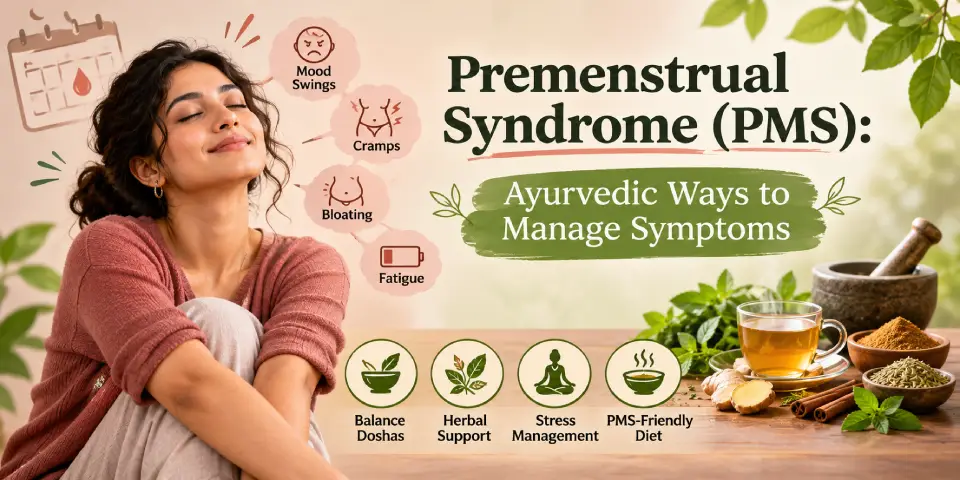
Do you experience sudden mood swings, irritability, bloating, breast tenderness, fatigue, or abdominal cramps a few days before your menstrual period? These recurring physical and emotional shifts are hallmark signs of Premenstrual Syndrome (PMS), a common cyclic condition that can significantly disrupt daily comfort, productivity, and emotional well-being.
Symptoms of Premenstrual Syndrome (PMS) typically emerge during the luteal phase (the second half of the menstrual cycle) and subside shortly after menstruation begins. Rather than treating these symptoms as an unavoidable monthly burden, Ayurveda views menstrual wellness through the lens of hormonal harmony, balanced Apana Vata and Pitta doshas, optimal digestion (Agni), and stress resilience.
At Kalpataru Ayurvediya Chikitsalaya™, backed by over 26+ years of clinical excellence, Dr. Manoj Deshpande and Dr. Aparna Deshpande—widely recognized as among the best ayurvedic doctor in pune—emphasize that effective menstrual care starts with understanding each woman’s unique constitution (Prakriti), lifestyle patterns, and root hormonal imbalances. Through personalized herbal support, tailored nutrition, and restorative routines, Ayurveda helps bring natural balance and ease back to your monthly cycle.
What Is Premenstrual Syndrome (PMS)?
PMS is a group of recurring physical, emotional, and behavioral symptoms that develop during the luteal phase, often one to two weeks before menstruation. Symptoms generally improve within the first few days after menstrual bleeding begins. PMS is associated with sensitivity to normal hormonal fluctuations; neurotransmitters such as serotonin may also play a role. Severity varies widely.
Common Symptoms of PMS:
Physical Symptoms:
- Abdominal bloating and heaviness
- Breast tenderness or swelling
- Lower abdominal cramps, headaches, or backache
- Fatigue and temporary fluid retention
- Food cravings, constipation, or diarrhea
- Sleep disturbances
Emotional and Behavioral Symptoms:
- Mood swings, irritability, or anxiety
- Sadness, feeling unusually emotional, or restlessness
- Difficulty concentrating and reduced motivation
- Changes in appetite or sleeping patterns
- Social withdrawal or reduced interest in daily activities
Important: Severe emotional symptoms that disrupt everyday life may indicate Premenstrual Dysphoric Disorder (PMDD), which requires medical evaluation.
What Causes PMS?
The exact cause is not fully understood. Contributing factors may include hormonal fluctuations, sensitivity to changes in serotonin and other brain chemicals, stress, sleep disturbances, and lifestyle factors. Excessive caffeine, high-salt foods, and irregular routines may worsen certain symptoms for some women.
Understanding PMS Through Ayurveda:
PMS is a modern medical diagnosis and does not map exactly to a single classical Ayurvedic condition. Ayurvedic practitioners may interpret symptom patterns through the traditional concepts of Vata, Pitta, Kapha, Agni (digestive function), and Artava (menstrual physiology). These are traditional interpretations, not scientifically established causes of PMS.
Importance of Rasa Dhatu in Menstrual Health:
According to Ayurvedic principles, Rajapravartana (menstruation) is closely associated with Rasa Dhatu, the first of the seven fundamental body tissues described in Ayurveda. The quality and nourishment of Rasa Dhatu are traditionally considered important for healthy menstrual functioning.
Therefore, Ayurvedic management of PMS may focus on improving the quality of Rasa Dhatu and addressing associated doshic imbalances. Individualized dietary recommendations, lifestyle modifications, and appropriate Ayurvedic treatments may be advised to support Rasa Dhatu and menstrual well-being. This approach is based on traditional Ayurvedic principles.
- Vata-Related Patterns: Cramps, back discomfort, constipation, restlessness, disturbed sleep, or anxiety may be considered in a Vata-oriented assessment. Regular routines, rest, and comfortably warm meals may be suggested.
- Pitta-Related Patterns: Irritability, feeling excessively warm, headaches, or acidity may be considered in a Pitta-oriented assessment. Dietary moderation and stress management may be advised.
- Kapha-Related Patterns: Bloating, heaviness, breast tenderness, lethargy, or temporary fluid retention may be considered in a Kapha-oriented assessment. Balanced meals and suitable physical activity may be encouraged.
Ayurvedic Ways to Manage PMS Symptoms:
- Follow a Balanced and Regular Diet: Eat regular, nourishing meals with vegetables, whole grains, seasonal fruits, lentils, protein sources, nuts, and seeds. Warm, freshly cooked meals may feel more comfortable for those with digestive discomfort. Avoid restrictive diets and frequent meal skipping.
- Limit Excess Salt, Caffeine, and Processed Foods: Reducing excessively salty snacks, large amounts of tea or coffee, sugary beverages, and highly processed foods may help some women with bloating or sleep disturbances. Individual triggers vary; a symptom and food diary can help identify patterns.
- Maintain Consistent Sleep: Aim for around 7–9 hours of sleep, with regular bedtimes and waking times. Reduce late caffeine intake and screen exposure before bed. Good sleep habits may improve fatigue and emotional resilience.
- Try Gentle Yoga and Breathing Practices: Comfortable yoga practices such as Baddha Konasana, Balasana, Cat–Cow Stretch, and Shavasana, along with slow diaphragmatic breathing, may support relaxation. Modify activities to suit individual comfort; avoid painful postures.
- Stay Physically Active: Regular walking, cycling, swimming, or moderate exercise supports overall health, sleep, and mood. Many adults can aim for approximately 150 minutes of moderate-intensity activity weekly, adjusted for health and ability.
- Manage Stress With a Healthy Daily Routine: Ayurveda emphasizes Dinacharya, a consistent daily routine. Regular meals, short work breaks, mindfulness, enjoyable activities, outdoor time, and sufficient rest can support well-being and help with coping.
- Panchakarma and Basti Therapy for PMS: Panchakarma therapies may be considered as part of an individualized Ayurvedic approach to menstrual health. Among these therapies, Basti, which involves the administration of specially selected medicated preparations through the rectal route, holds particular importance in traditional Ayurvedic management of Vata-related disorders.
Depending on the individual’s symptoms, constitution, and menstrual history, a seven-day course of Basti therapy using specific medicated preparations before the expected menstrual period may be recommended by an Ayurvedic practitioner.
Based on the clinical experience at Kalpataru Ayurvediya Chikitsalaya®, several adolescent girls and women who have undergone this individualized treatment have reported a reduction in discomfort and symptoms associated with menstruation.
However, individual responses may vary, and scientific evidence establishing the effectiveness of Basti specifically for PMS remains limited. The selection of medicines, duration, and suitability of the therapy should be determined by a qualified Ayurvedic practitioner.
Ayurvedic Medicines and Herbal Support:
Certain Ayurvedic medicines and herbs may also be considered as part of an individualized PMS management plan. Traditionally used options include:
- Chandraprabha
- Padmakashtha
- Shatavari (Asparagus racemosus)
- Ashwagandha (Withania somnifera)
These medicines and herbs may be selected according to the individual’s symptoms, Prakriti (body constitution), doshic imbalances, and overall health condition. Their effectiveness specifically for PMS requires further scientific evaluation.
Ayurvedic medicines should always be taken under the guidance of a qualified Ayurvedic practitioner. Self-medication should be avoided, as certain preparations may have contraindications, side effects, or interactions with other medications.
Can Diet Help Reduce PMS Symptoms?
A balanced diet supports menstrual and general health. Food sources of calcium include milk, curd, fortified foods, and leafy vegetables; some clinical studies suggest calcium supplementation may benefit PMS symptoms. Magnesium is found in nuts, seeds, legumes, and whole grains, although evidence for PMS relief is mixed. Vitamin B6 sources include chickpeas, bananas, potatoes, and fish. Omega-3 fats are found in fatty fish, walnuts, and flaxseeds; evidence for PMS symptom relief is uncertain. Fruits, vegetables, and whole grains provide fiber for digestive regularity. A food-first approach is generally preferable; excessive supplement doses can be harmful.
Track Your Menstrual Cycle:
Keep a diary for at least two menstrual cycles. Record the first day of bleeding, symptom timing and severity, mood changes, sleep, cravings, and effects on daily life. This helps clinicians distinguish PMS from other conditions and guide management.
When Should You Consult a Doctor?
- Symptoms repeatedly interfere with work, studies, or relationships
- Pelvic pain is severe or bleeding is unusually heavy or irregular
- Mood changes significantly affect daily functioning
- Symptoms persist throughout the month rather than following a premenstrual pattern
- Lifestyle changes do not provide adequate relief
Thyroid disorders, anemia, anxiety, depression, endometriosis, and other conditions can cause overlapping symptoms. Severe depression, hopelessness, or thoughts of self-harm require urgent medical attention.
Personalized Ayurvedic Care at Kalpataru Ayurvediya Chikitsalaya®, Pune:
Each woman’s menstrual experience is different. At Kalpataru Ayurvediya Chikitsalaya®, an individualized consultation may review menstrual patterns, digestion, diet, sleep, stress, and relevant health concerns. Recommendations may include appropriate lifestyle changes, dietary guidance, relaxation practices, and carefully selected Ayurvedic interventions, while recognizing when conventional medical evaluation is necessary.
Frequently Asked Questions (FAQ's):
Mild symptoms are common, but symptoms that disrupt daily life should be evaluated.
Excess salt, caffeine, and highly processed foods may aggravate symptoms in some people; triggers vary.
Yoga may help with relaxation and general well-being, but evidence for specific PMS relief is limited.
Often one to two weeks before the period, improving within the first few days of bleeding.
Stress may intensify the experience of symptoms. Stress-management practices can be helpful.
When symptoms are severe, recurring, or interfere with daily activities, mood, or relationships.
Conclusion:
Premenstrual Syndrome (PMS) can significantly affect both physical comfort and emotional well-being, disrupting your work, relationships, and daily routine each month. Adopting balanced nutrition, regular gentle exercise, restorative sleep, stress management, and cycle tracking can provide meaningful symptom control.
Ayurveda offers an individualized, root-cause approach to menstrual harmony by pacifying aggravated Apana Vata and Pitta doshas, supporting healthy digestion (Agni), and nourishing reproductive tissues naturally. Because every woman’s constitution (Prakriti) is unique, specific herbal formulations and therapies work best under qualified clinical supervision.
If recurring Premenstrual Syndrome (PMS) symptoms are affecting your quality of life, early holistic care can help restore natural hormonal balance and make your monthly cycle comfortable again.
Experience Natural Hormonal Balance & Menstrual Comfort
Don’t let monthly mood swings, bloating, and fatigue hold you back. Visit Kalpataru Ayurvediya Chikitsalaya™—recognized as the best ayurvedic clinic in pune—for a comprehensive constitutional evaluation and personalized women’s health guidance.
Consult with Dr. Manoj Deshpande and Dr. Aparna Deshpande, backed by over 26+ years of clinical excellence and trusted as the best ayurvedic doctor in pune for holistic gynecological and hormonal wellness.
👉 Book an Appointment with Dr. Manoj Deshpande & Dr. Aparna Deshpande or call +91 9422068682 / +91 9423591682 to schedule your clinic visit to Kalpataru Ayurvediya Chikitsalaya™ today.
Disclaimer: This information is for educational purposes only and should not replace consultation, diagnosis, or treatment from a qualified healthcare professional.