


Kalpataru Ayurvediya Chikitsalaya®

1st floor, Mati Ganapati chowk, Patwardhangad apartment, 545, NC Kelkar Road, above new poona bakery, Narayan Peth, Pune - 411030

Does your chest burn after dinner? Do you wake up with an unpleasant sour taste in your mouth? These are classic GERD Symptoms—warning signs of persistent acid reflux that shouldn’t be dismissed as ordinary indigestion. When stomach acid repeatedly flows back into the esophagus, causing ongoing discomfort or tissue irritation, it develops into gastroesophageal reflux disease (GERD). Recognizing early GERD Symptoms is vital, as red-flag signs like difficulty swallowing or unexplained weight loss require prompt evaluation, while severe chest pressure requires immediate emergency care.

At Kalpataru Ayurvediya Chikitsalaya™, backed by over 26+ years of clinical excellence, Dr. Manoj Deshpande and Dr. Aparna Deshpande—widely recognized as among the best ayurvedic doctor in pune—emphasize that chronic acidity (Amlapitta) stems from aggravated Pitta dosha and impaired digestive fire (Agni). Rather than relying indefinitely on temporary acid suppressants, authentic Ayurveda addresses the root cause of GERD Symptoms through personalized herbal formulations, Pitta-pacifying dietary protocols, and gentle gut rejuvenation.

10 symptoms and warning signs to look out for:

1. Heartburn that keeps coming back:

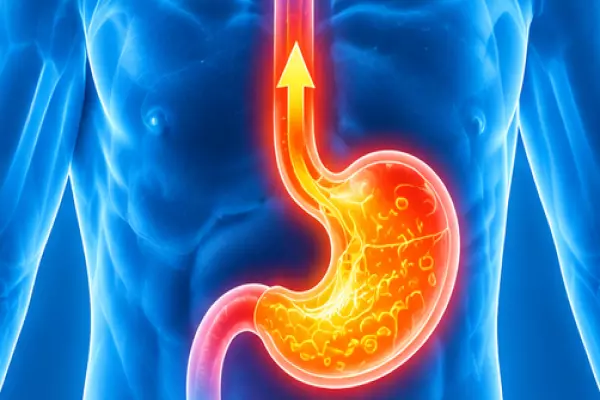
Heartburn feels like burning behind the breastbone and may rise toward the throat. You may notice it after meals or when lying down. If it keeps interrupting meals or sleep, or you regularly reach for antacids, speak with a doctor.
2. Food or sour liquid coming back up:

If food or sour liquid rises into your throat or mouth, this is called regurgitation. Along with heartburn, it is one of the most common reflux symptoms.
3. A cough that lingers:

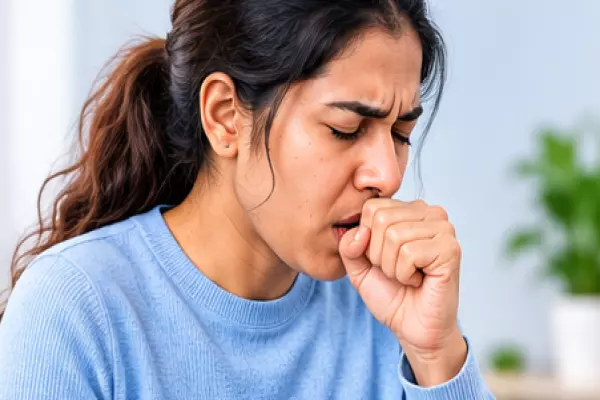
A persistent cough can sometimes occur with GERD. If you notice it after meals or at night, mention that pattern to your doctor. A cough can have several causes, so the timing alone cannot confirm reflux.

4. A hoarse voice that persists:

Reflux can sometimes be associated with hoarseness. Allergies, infections and other voice problems can also change how your voice sounds. Get persistent hoarseness checked, even if you also have heartburn.

5. Difficulty swallowing:

Does food feel as though it sticks in your throat or chest? Arrange a prompt medical evaluation, especially if swallowing is becoming harder over time.

6. Pain when swallowing:

Pain as food or liquids go down may reflect irritation or another problem in the food pipe. Get it checked promptly.

7. Vomiting that keeps happening:

Repeated vomiting needs prompt assessment. Several conditions can cause it, and a doctor can help determine whether it is related to reflux.

8. Weight loss without trying:

If you’re losing weight without changing your diet or activity, seek medical evaluation. Tell your doctor if swallowing difficulties or loss of appetite are making it harder to eat.

9. Vomiting blood or passing black, tarry stools:

Vomiting blood or material that looks like coffee grounds, or passing black, tarry stools, can signal bleeding in the digestive tract. Seek emergency medical care.

10. New or unexplained chest pain or pressure:

Heart problems can feel like indigestion or burning. Seek emergency medical care for new or unexplained chest pain or pressure, especially if it comes with shortness of breath, a cold sweat, or discomfort spreading to the arm, back, neck or jaw.

What can you do about recurring reflux?

  1. Leave time between dinner and bedtime. If reflux bothers you at night, finish eating at least three hours before lying down.
  2. Notice your personal triggers. Keep a short record of what you eat and when symptoms start. Foods and drinks that trigger symptoms vary from person to person.
  3. Get frequent symptoms assessed. A doctor can review your symptoms and recommend treatment. Depending on what you report, they may advise tests such as an upper endoscopy.

An Ayurvedic perspective on reflux symptoms:

Ayurveda describes a condition called Amlapitta, which can involve sour or bitter belching and burning in the chest or throat. These symptoms can overlap with GERD. An Ayurvedic consultation can look at your meal timing, food choices and daily routine to help you identify practical changes. If you take prescribed medicines or Ayurvedic products, share the full list with your healthcare providers before making changes to your treatment.

Ayurvedic medicines and herbs:

Ayurvedic practice, different medicinal preparations may be considered according to a person’s prakriti (constitution), symptoms and clinical condition. The doctor mentions Sutshekhar, Laghu Sutshekhar, Mouktik Kamdudha, Suvarna Gairik, Shankha Bhasma and Suvarna Makshik Bhasma as examples of preparations used in this context. Herbs such as Guduchi (Giloy), Shatavari, Yashtimadhu (licorice) and Kadachi Chirait may also be considered. These are examples described in the Ayurvedic approach, not medicines to start without professional advice. The choice of treatment depends on the patient’s condition, the nature and severity of symptoms, and individual assessment.

An Ayurvedic view of excessive liquid intake:

The doctor also describes excessive consumption of liquids as a possible contributing factor to Amlapitta in Ayurvedic understanding. Examples mentioned include drinking large amounts of milk or water, repeatedly drinking water immediately after meals, and frequently drinking water at bedtime. This is explained in Ayurveda in terms of increased drava guna (the liquid quality) of pitta, which is traditionally associated with symptoms such as sour reflux or regurgitation. This is an Ayurvedic explanation rather than an established medical cause of GERD; it does not mean that people should restrict necessary hydration. Fluid intake should be appropriate to individual needs and medical advice.

Find Lasting Relief from Acidity & Acid Reflux

Don’t let chronic heartburn and digestive discomfort disrupt your sleep or daily meals. Visit Kalpataru Ayurvediya Chikitsalaya™—recognized as the best ayurvedic clinic in pune—for a thorough constitutional assessment and personalized Amlapitta (GERD) care plan.

Consult with Dr. Manoj Deshpande and Dr. Aparna Deshpande, backed by over 26+ years of clinical excellence and trusted as the best ayurvedic doctor in pune for chronic digestive and gastrointestinal disorders.

👉 Book an Appointment with Dr. Manoj Deshpande or call +91 9422068682 / +91 9423591682 to schedule your clinic visit to Kalpataru Ayurvediya Chikitsalaya™ today.

Stay Connected with Kalpataru Ayurvediya Chikitsalaya®

Join the Kalpataru Ayurvediya Chikitsalaya® community today and let Ayurveda guide you toward a healthier, more balanced life.

This field is required.