
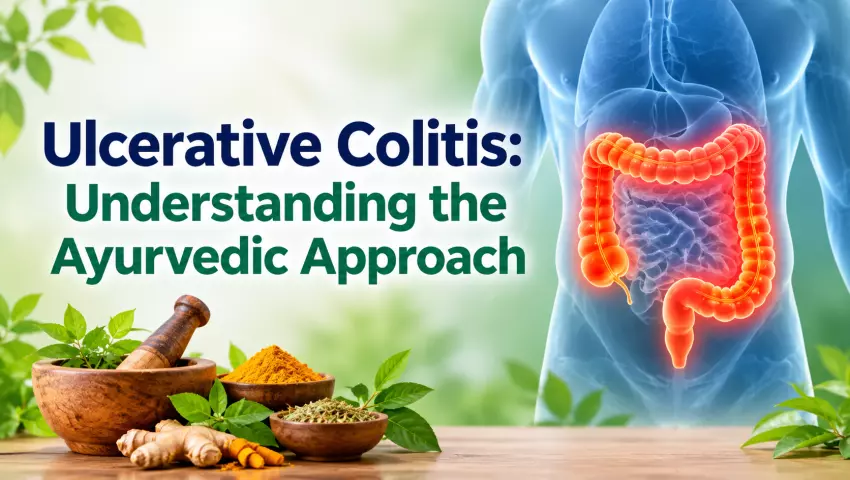
Ulcerative Colitis (UC) is a chronic inflammatory bowel disease (IBD) that affects the large intestine (colon) and rectum. It can cause frequent bowel movements, abdominal pain, blood in the stool, urgency, and ongoing digestive discomfort.
For many patients, ulcerative colitis is more than just a digestive problem. Repeated flare-ups, dietary restrictions, fatigue, and uncertainty about symptoms can significantly affect daily life.
Ayurveda approaches digestive health through an individualized understanding of Agni, Dosha, diet, daily routine, and overall well-being. At Kalpataru Ayurvediya Chikitsalaya®, we believe that understanding the patient’s overall health, digestive patterns, lifestyle, and individual needs is an important part of providing personalized Ayurvedic care.
What Is Ulcerative Colitis?
Ulcerative colitis is a long-term inflammatory condition in which the inner lining of the colon and rectum becomes inflamed and develops small ulcers.
The disease often follows a pattern of:
- Flare-ups: Periods when symptoms become active or worsen.
- Remission: Periods when symptoms improve or disappear.
The severity of ulcerative colitis varies from person to person. Some patients experience mild symptoms, while others may develop severe inflammation requiring urgent medical attention.
Common Symptoms of Ulcerative Colitis:
The symptoms depend on the severity and extent of inflammation.
Common symptoms include:
- Frequent loose stools or diarrhea
- Blood or mucus in the stool
- Abdominal pain and cramping
- Sudden urgency to pass stool
- Feeling of incomplete bowel evacuation
- Fatigue and weakness
- Reduced appetite
- Unintentional weight loss
Persistent bloody diarrhea should never be ignored. Early diagnosis and appropriate treatment are essential to prevent complications.
What Causes Ulcerative Colitis?
The exact cause of ulcerative colitis is not fully understood. Research suggests that several factors contribute to its development.
- Immune System Dysregulation: An abnormal immune response contributes to ongoing inflammation in the intestinal lining. Ulcerative colitis is an immune-mediated inflammatory condition, often discussed alongside autoimmune disorders because an improperly regulated immune response contributes to intestinal inflammation. In Ayurvedic practice, selected traditional medicines are used with the aim of supporting balanced physiological responses and addressing the patient’s overall condition. Although symptom improvement may sometimes prompt a reassessment of conventional medication, Ayurvedic medicines have not been established as a reliable means of reducing the need for prescribed ulcerative colitis treatment. Any medication adjustment should be made only by the treating gastroenterologist after evaluating disease activity and remission.
- Genetic Predisposition: People with a family history of inflammatory bowel disease may have an increased risk.
- Gut Microbiome Changes: Alterations in the intestinal microbial community may contribute to inflammation.
- Environmental Factors: Certain environmental exposures may influence the risk and course of the disease.
Stress and particular foods do not directly cause ulcerative colitis, although they may aggravate symptoms in some patients.
Understanding Ulcerative Colitis Through Ayurveda:
Ayurveda approaches digestive health through concepts such as Agni (digestive function), Dosha balance, and the overall functioning of the gastrointestinal system. Some symptoms of ulcerative colitis may resemble descriptions of Raktatisara (diarrhea associated with blood) and certain presentations of Grahani in classical Ayurvedic literature.
However, these traditional descriptions are not identical to the modern medical diagnosis of ulcerative colitis.
From an Ayurvedic perspective, practitioners assess digestive strength, bowel habits, food tolerance, appetite, and general health to plan individualized Ayurvedic care.
In the traditional Ayurvedic explanation of disease development, an increase in the qualities associated with Tej (the fire Mahabhuta) and aggravation of Pitta Dosha are understood to contribute to a tendency toward tissue irritation and Vrana (ulceration or wound formation). Ayurvedic treatment principles seek to pacify these aggravated qualities through substances traditionally associated with Prithvi (earth) and Ap (water) Mahabhutas. This is an Ayurvedic framework for interpreting symptoms, rather than a scientifically established explanation of the biological cause of ulcerative colitis.
How Can Ayurveda Help Patients With Ulcerative Colitis?
Ayurvedic management is guided by an assessment of digestive function, Dosha, symptoms, dietary habits, and the patient’s overall condition. Treatment is individualized by a qualified Ayurvedic physician.
1. Individualized Dietary Guidance:
Food tolerance varies considerably among people with ulcerative colitis. Ayurvedic dietary guidance may emphasize easily digestible meals, regular eating habits, and identifying foods that worsen individual symptoms.
During active flare-ups, patients may require specific dietary modifications based on medical advice.
2. Supporting Digestive Comfort:
Ayurvedic practitioners traditionally focus on digestive function and bowel regularity. Personalized Ayurvedic dietary and lifestyle guidance focuses on digestive comfort, bowel habits, and the patient’s individual needs.
Repeated intestinal bleeding can lead to iron-deficiency anemia, while persistent diarrhea, reduced appetite, and inflammation may contribute to weight loss and nutritional deficiencies. Ayurveda traditionally employs individualized dietary measures and selected preparations with the aim of supporting nourishment, strength, and recovery. Hemoglobin levels, iron status, and body weight should be monitored, and clinically significant anemia may require iron replacement or other medical treatment. Improvements in blood counts or weight cannot be guaranteed from Ayurvedic therapy alone.
3. Stress Management and Emotional Well-being:
Living with a chronic digestive condition can contribute to stress and anxiety. Supportive practices such as gentle yoga, meditation, breathing exercises, and adequate sleep may improve emotional well-being and quality of life. These practices may be included in an individualized Ayurvedic care plan.
4. Personalized Lifestyle Recommendations:
Maintaining consistent meal timings, adequate hydration, appropriate physical activity, and healthy sleep habits can support general health. An individualized approach is particularly important because ulcerative colitis affects patients differently.
5. Traditional Ayurvedic Treatment Approaches:
Ayurvedic physicians may consider traditional formulations and procedures according to the patient’s condition, symptoms, and Ayurvedic assessment.
Within traditional Ayurvedic practice, herbs and mineral preparations such as Shatavari, Nagkeshar, Suvarnagairik, Lodhra, Chandan, Vala, and Bael fruit may be considered according to the individual’s presentation. These substances are described in Ayurvedic terminology through properties such as Raktastambhaka (traditionally used to help control bleeding), Vranaropaka (supporting wound healing), and Grahi (traditionally used to reduce excessive stool frequency). Their selection, formulation, dosage, and suitability require assessment by a qualified Ayurvedic physician; these traditional indications should not be interpreted as proven clinical efficacy for ulcerative colitis. In particular, mineral-based preparations require careful attention to quality and safety.
Treatment choices and precautions should be discussed with a qualified Ayurvedic physician. Patients should share their full medical history and all current medicines with their treating clinicians.
Ayurvedic Care at Kalpataru Ayurvediya Chikitsalaya®
At Kalpataru Ayurvediya Chikitsalaya®, Dr. Manoj M. Deshpande provides individualized Ayurvedic consultations for patients with digestive disorders, including ulcerative colitis.
The clinic’s approach includes evaluating digestive symptoms, dietary habits, lifestyle, and Ayurvedic constitution (Prakriti). Depending on the patient’s condition, Ayurvedic care may involve dietary recommendations, lifestyle modifications, and carefully selected traditional therapies.
Piccha Basti (Pichchabasti) is a traditional Ayurvedic procedure that may be considered by a qualified Ayurvedic physician after individualized assessment. Its suitability depends on the patient’s clinical condition.
What Are the Goals of Ulcerative Colitis Management?
Ulcerative colitis is a chronic condition that can involve periods of flare-ups and remission. Treatment aims to improve symptoms, maintain remission, and support quality of life.
The main goals of treatment are to control inflammation, achieve remission, prevent complications, and maintain quality of life. Management decisions depend on the severity of the disease and the patient’s clinical condition. Ongoing assessment is important, particularly when symptoms worsen.
An Ayurvedic treatment plan is tailored to the individual after consultation and assessment.
Dietary and Lifestyle Tips for Ulcerative Colitis Patients:
A balanced lifestyle can help support patients living with ulcerative colitis.
- Eat smaller, regular meals if large meals worsen discomfort.
- Maintain adequate hydration, particularly during diarrhea.
- Identify personal food triggers without unnecessarily restricting nutritious foods.
- Choose easily tolerated foods during flare-ups under professional guidance.
- Practice gentle stress-management techniques.
- Maintain a consistent sleep routine.
- Continue prescribed medicines and attend regular gastroenterology follow-ups.
Patients experiencing heavy rectal bleeding, severe abdominal pain, fever, significant dehydration, or rapidly worsening symptoms should seek urgent medical care.
Why Choose Kalpataru Ayurvediya Chikitsalaya®?
Kalpataru Ayurvediya Chikitsalaya® offers patient-centered Ayurvedic consultations under the guidance of Dr. Manoj M. Deshpande, who has over 26 years of clinical experience.
The clinic focuses on individualized Ayurvedic assessment, digestive health, lifestyle guidance, and ongoing patient support. Consultations are available at its listed locations in Pune, Pimpri-Chinchwad, and Navi Mumbai, along with online consultation services.
Frequently Asked Questions:
No. Ulcerative colitis is an inflammatory bowel disease that causes inflammation and ulcers in the colon. Irritable bowel syndrome (IBS) affects bowel function without the same type of inflammatory damage.
Ayurveda considers Agni, Dosha, bowel habits, diet, lifestyle, and the individual’s overall health when planning care.
Stress does not directly cause ulcerative colitis, but it can aggravate symptoms and affect quality of life.
Symptoms, digestive patterns, food tolerance, and overall health differ from person to person. An Ayurvedic physician evaluates these factors before recommending care.
Ulcerative colitis is generally a lifelong condition characterized by periods of flare-ups and remission. With appropriate treatment and monitoring, many patients can maintain a good quality of life.
Take the Next Step Towards Better Digestive Health
Living with ulcerative colitis can be challenging, but informed treatment decisions, regular monitoring, and supportive lifestyle measures can make a meaningful difference.
For an individualized Ayurvedic assessment of digestive concerns, consult Dr. Manoj M. Deshpande at Kalpataru Ayurvediya Chikitsalaya®.