
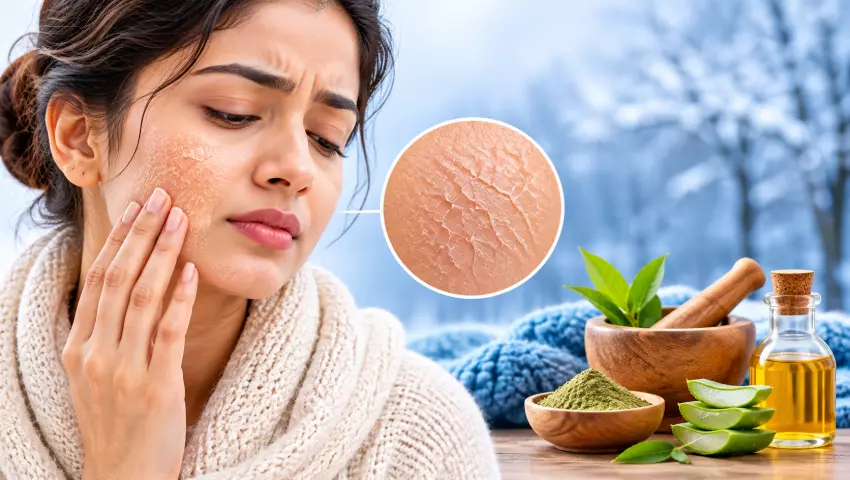
Winter brings pleasant, crisp weather, but it frequently leaves your skin feeling parched, rough, itchy, and uncomfortable. Dealing with Dry Skin in Winter is a widespread concern—as temperatures drop and humidity decreases, the skin rapidly loses natural moisture, leading to dullness, flaking, irritation, and sometimes even painful cracks.
According to Ayurveda, Dry Skin in Winter is directly linked to the natural aggravation of Vata Dosha during the cold season, which manifests through qualities such as dryness (Ruksha), coldness (Sheeta), and roughness (Khara).
At Kalpataru Ayurvediya Chikitsalaya™, backed by over 26+ years of clinical excellence, Dr. Manoj Deshpande and Dr. Aparna Deshpande—widely recognized as among the best ayurvedic doctor in pune—emphasize that true, lasting skin health requires far more than superficial creams or chemical moisturizers. Authentic Ayurveda addresses skin nourishment from within through personalized internal lubrication (Snehana), medicinal oil therapies (Abhyanga), seasonal routines (Ritucharya), and balanced dietary habits.
In this blog, we explore the Ayurvedic perspective on Dry Skin in Winter along with practical, natural ways to keep your skin soft, hydrated, and glowing throughout the season.
Why Does Skin Become Dry During Winter?
During winter, cold air generally contains less moisture, while indoor heating can further reduce humidity. These conditions increase water loss from the skin, weakening its protective barrier.
Common causes of winter dryness include:
- Low humidity: Dry winter air increases moisture loss from the skin.
- Hot water baths: Prolonged exposure to hot water can strip away natural skin oils.
- Harsh soaps and cleansers: Strong cleansing products may damage the skin’s protective barrier.
- Inadequate moisturising: Without proper moisturisation, skin may become rough and flaky.
- Existing skin conditions: Eczema, psoriasis, and other dermatological conditions may become more troublesome during winter.
Winter aggravation of certain skin conditions: Eczema, psoriasis, lichen planus, Chronic dandruff and seborrheic dermatitis, may become more troublesome during cold weather. In these conditions, the skin’s ability to maintain moisture or natural oiliness may be reduced. Patients affected by these conditions should take particular care of their skin during winter.
Although mild dryness is common, persistent itching, redness, inflammation, or cracking may require professional evaluation.
Ayurvedic Understanding of Dry Skin: The Role of Vata Dosha
Ayurveda explains skin health through the balance of the three Doshas — Vata, Pitta, and Kapha. Vata Dosha, associated with movement and qualities such as dryness, coldness, lightness, and roughness, plays an important role in understanding dry skin.
When Vata-related qualities become prominent, individuals may experience:
- Dry, rough, or flaky skin
- Tightness after bathing
- Cracked heels and lips
- Increased sensitivity to cold weather
- Dull-looking skin
- Itching associated with dryness
Ayurvedic care traditionally focuses on balancing these qualities through Snehana (oleation), appropriate dietary practices, seasonal routines, and individualised treatment.
However, not every case of dry skin is caused by Vata imbalance. A proper assessment is important, especially when symptoms are persistent or severe.
7 Ayurvedic Tips to Prevent Dry Skin in Winter:
1. Abhyanga: Nourish Your Skin with Oil Massage
Abhyanga, or Ayurvedic oil massage, is a traditional self-care practice used to support skin comfort and relaxation. Warm oil application may help soften dry skin and reduce the feeling of roughness.
Commonly used oils include:
- Tila Taila (Sesame Oil): Traditionally used in Vata-related dryness.
- Narikela Taila (Coconut Oil): An emollient that may help reduce moisture loss in some individuals.
- Badam Taila (Almond Oil): Used for skin softening and nourishment.
Apply a small amount of suitable oil gently to the skin. Avoid vigorous massage over inflamed, cracked, or infected areas.
Ayurvedic tip: The choice of oil should depend on your skin condition, sensitivity, and individual constitution. Always patch-test a new oil before use.
2. Choose Lukewarm Water Instead of Hot Water:
Although hot showers feel comforting during winter, excessive heat can remove natural oils from the skin.
To protect your skin:
- Bathe with lukewarm water.
- Limit showers to approximately 5–10 minutes.
- Avoid scrubbing the skin aggressively.
- Apply a fragrance-free moisturiser immediately after bathing.
These simple habits help preserve the skin barrier and reduce dryness.
3. Follow a Vata-Balancing Winter Diet:
Ayurveda gives significant importance to Ahara (diet) in maintaining overall health.
During winter, traditionally recommended warm, freshly prepared, nourishing meals may help support general well-being.
Consider including:
- Warm vegetable soups and freshly cooked meals
- Appropriate amounts of ghee in the diet
- Nuts and seeds, according to individual dietary needs
- Seasonal fruits and vegetables
- Adequate water and other healthy fluids
- Foods containing essential fatty acids, vitamins, and minerals
Avoid excessive dietary restrictions. A balanced diet supports normal skin function, although no specific food can replace appropriate moisturising or medical treatment for skin disease.
4. Use Gentle, Natural Skincare Ingredients:
Certain traditional ingredients are commonly used in Ayurvedic skincare.
- Aloe Vera (Kumari): Aloe-based preparations may provide a soothing sensation and temporary hydration. However, some people may develop irritation or contact allergies.
- Coconut Oil (Narikela Taila): May help soften dry skin and support moisture retention, particularly on the body.
- Sesame Oil (Tila Taila): Traditionally used for oleation and external nourishment.
- Ghee (Ghrita): Has a traditional role in Ayurvedic preparations, but its use on the skin should be individualised, particularly in acne-prone or irritated skin.
Natural ingredients are not automatically suitable for everyone. Avoid applying homemade herbal mixtures to broken or infected skin without professional guidance.
5. Maintain Proper Hydration:
Drinking adequate fluids is important for general health and normal skin function. Ayurveda traditionally recommends consuming water according to thirst, digestion, activity, and seasonal requirements.
You can maintain healthy hydration by drinking water regularly and including soups or other nourishing fluids in your diet.
Remember that drinking more water alone may not resolve dry skin. External moisturisation is equally important when the skin barrier is affected.
6. Protect Your Skin from Cold Winds:
Cold winds can aggravate dryness, especially on exposed areas such as the face, hands, and lips.
Simple protective measures include wearing soft, comfortable winter clothing, using lip balm, covering exposed skin when outdoors, and using a humidifier when indoor air is excessively dry. Choose breathable fabrics and avoid rough wool directly against sensitive skin.
7. Follow a Healthy Dinacharya (Daily Routine):
Ayurveda emphasises Dinacharya, or a regular daily routine, as an important part of maintaining balance.
A winter-friendly routine may include regular sleep, gentle physical activity, appropriate oil application, balanced meals, and consistent skincare. Stress management and adequate rest also support general well-being.
Ayurvedic Treatments for Persistent Dry Skin:
When skin dryness becomes recurrent or uncomfortable, an Ayurvedic practitioner may recommend an individualised approach based on symptoms, skin condition, medical history, and Prakriti (individual constitution).
Traditional Ayurvedic approaches may include:
Snehana (Oleation Therapy): The use of suitable oils or other unctuous substances, externally or in specific therapeutic contexts, under professional guidance. Abhyanga (Ayurvedic Oil Massage): Gentle application and massage with appropriately selected oils.
Herbal Skin Preparations: Individualised external preparations traditionally used for skin care.
Medicated Ghrita (Goghrita): In certain Ayurvedic treatment approaches, cow’s ghee processed with specific medicinal herbs may be prescribed for internal use under the guidance of a qualified Ayurvedic practitioner. Such preparations are traditionally used with the aim of supporting skin nourishment and reducing dryness. Their suitability depends on the individual’s condition and clinical assessment.
Ahara and Vihara Guidance: Dietary and lifestyle recommendations suited to the season and individual needs.
These approaches are part of traditional Ayurvedic practice. Their effectiveness for specific dermatological conditions varies, and they should not be considered proven substitutes for standard treatment of eczema, psoriasis, infections, or other skin diseases.
When Should You Consult a Doctor for Dry Skin?
Occasional dryness can often be managed through regular skincare. However, professional consultation is important when you experience:
- Severe or persistent itching
- Painful skin cracks or bleeding
- Redness, swelling, or inflammation
- Recurrent skin infections
- Dryness that interferes with sleep
- Symptoms that do not improve with moisturisation
- Widespread scaling or unexplained skin changes
Persistent dry skin can sometimes be associated with conditions such as eczema, thyroid disorders, or other medical problems.
Early evaluation helps identify the underlying cause and guide appropriate care.
Healthy Skin Begins with Balanced Care:
Managing Dry Skin in Winter goes far beyond simply applying heavy creams or surface lotions. True seasonal skin health involves understanding your body’s unique constitution (Prakriti), protecting the skin’s natural lipid barrier, maintaining internal hydration and nutrition, and following consistent daily habits (Dinacharya).
Ayurveda offers a time-tested, root-cause framework that emphasizes seasonal living (Ritucharya), deep internal and external lubrication (Snehana and Abhyanga), and individualized care to naturally pacify aggravated Vata Dosha.
If you are struggling with persistent flakiness, itching, or Dry Skin in Winter, personalized Ayurvedic guidance can restore your skin’s natural softness, glow, and resilience from within.
Nourish & Protect Your Skin Naturally This Winter
Don’t let seasonal dryness, rough patches, or skin irritation dull your comfort. Visit Kalpataru Ayurvediya Chikitsalaya™—recognized as the best ayurvedic clinic in pune—for a comprehensive constitutional evaluation and personalized Ayurvedic skincare and wellness guidance.
Consult with Dr. Manoj Deshpande and Dr. Aparna Deshpande, backed by over 26+ years of clinical excellence and trusted as the best ayurvedic doctor in pune for holistic skin health and seasonal care.
👉 Book an Appointment with Dr. Manoj Deshpande or call +91 9422068682 / +91 9423591682 to schedule your clinic visit to Kalpataru Ayurvediya Chikitsalaya™ today.
Frequently Asked Questions (FAQs):
Cold weather, low humidity, indoor heating, and hot showers can increase moisture loss and weaken the skin’s protective barrier. Ayurveda also associates dryness with Vata-related qualities.
Sesame oil and coconut oil are commonly used in traditional skincare. The most suitable oil depends on individual skin sensitivity and existing conditions.
Ayurveda offers traditional approaches such as oil application, seasonal routines, and dietary guidance. These may complement regular skincare, although evidence for treating specific skin diseases is limited.
Gentle oil massage may help soften dry skin and promote relaxation. It should be avoided or modified when the skin is inflamed, infected, or severely cracked.
Use lukewarm water, gentle cleansers, a fragrance-free moisturiser, suitable protective clothing, and consistent hydration. Seek medical advice if dryness persists.