
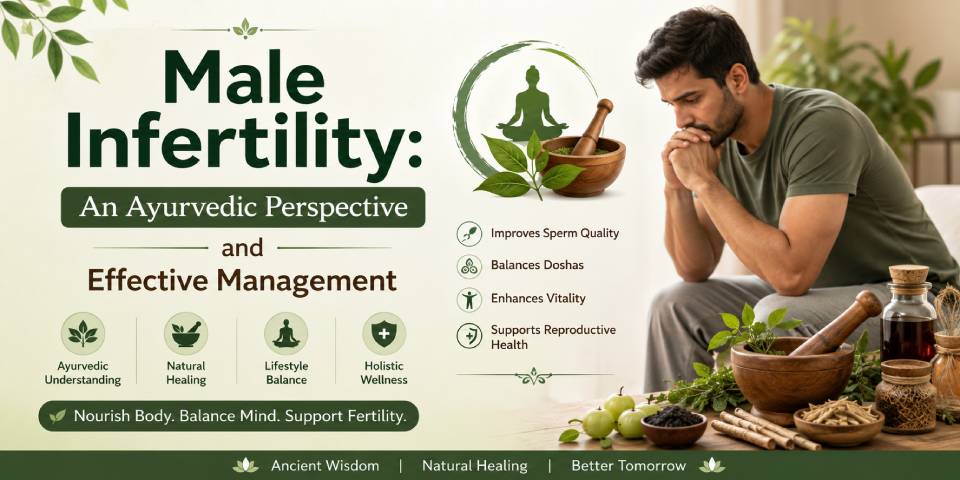
The inability to conceive can be emotionally challenging for couples, and male infertility contributes to almost half of all infertility cases worldwide. According to modern medicine, male infertility is commonly associated with poor sperm count, reduced sperm motility, abnormal sperm morphology, hormonal imbalances, infections, varicocele, and lifestyle factors.
To address these challenges at their root, finding specialized guidance is essential. Backed by over 26 years of deep clinical experience, Dr. Manoj M. Deshpande at Kalpataru Ayurvediya Chikitsalaya™ offers hope to many families, making it widely recognized as the best ayurvedic clinic in pune for comprehensive reproductive healthcare. Under his expert care, patients receive effective, personalized male infertility treatment in pune that blends traditional wisdom with modern clinical insights.
Ayurveda, the ancient science of life, offers a holistic understanding of male reproductive health. Rather than treating sperm abnormalities alone, Ayurveda focuses on restoring the body’s natural balance, strengthening reproductive tissues, improving overall vitality, and addressing the root causes that impair fertility. Consulting with the best ayurvedic doctor in pune ensures a thorough evaluation of your unique body constitution (Prakriti) and customized care. This holistic approach not only aims to improve semen quality but also enhances physical health, mental well-being, and reproductive potential.
Understanding Male Infertility:
Male infertility refers to the inability of a man to contribute to conception despite regular unprotected intercourse for one year or longer.
Modern investigations typically include:
- Semen analysis
- Hormonal evaluation
- Ultrasound examination
- Genetic testing (when indicated)
- Evaluation for infections
- Assessment for varicocele
Common abnormalities include:
- Low sperm count (Oligospermia)
- Absence of sperm (Azoospermia)
- Poor sperm motility (Asthenozoospermia)
- Abnormal sperm morphology (Teratozoospermia)
The Ayurvedic Understanding of Male Infertility:
In Ayurveda, male fertility depends upon the health of Shukra Dhatu, the body’s reproductive tissue.
Shukra Dhatu is considered the final and most refined tissue formed after proper nourishment of all preceding tissues (Dhatus). Any disturbance in digestion (Agni), metabolism, or tissue nourishment can ultimately affect reproductive health.
Male infertility is often described under:
- Klaibya
- Shukra Kshaya
- Ksheena Shukra
- Beejopaghata
Ayurveda emphasizes that healthy sperm production depends not only on reproductive organs but also on the overall health of the body.
Causes According to Ayurveda:
Several factors may weaken Shukra Dhatu:
1. Poor Digestion (Mandagni):
Weak digestion produces Ama (metabolic toxins), which blocks body channels and interferes with tissue nourishment.
2. Vata Imbalance:
Excess Vata may lead to:
- Poor ejaculation
- Reduced semen quantity
- Premature ejaculation
- Erectile dysfunction
3. Pitta Aggravation:
Increased Pitta may cause:
- Inflammation
- Oxidative stress
- Heat-related reduction in sperm quality
4. Kapha Disorders:
Kapha imbalance can contribute to:
- Obesity
- Hormonal disturbances
- Reduced metabolism
- Poor reproductive function
5. Mental Stress:
Ayurveda recognizes excessive worry, anxiety, fear, sleep deprivation, and emotional disturbances as important contributors to infertility.
6. Lifestyle Factors:
Modern habits that disturb dosha balance include:
- Smoking
- Alcohol
- Poor sleep
- Fast food
- Sedentary lifestyle
- Excessive heat exposure
- Chronic stress
Emotional well-being and the relationship between partners also play an important role in successful conception. Mutual love, trust, emotional bonding, and maintaining a stress-free relationship can positively influence reproductive health. Ayurveda recognizes that excessive mental stress and emotional disturbances can affect fertility. Therefore, nurturing a healthy relationship along with physical health may improve the chances of conception.
According to Ayurveda, Kshara (alkaline substances possessing strong corrosive or penetrating properties) is considered harmful to Shukra Dhatu when consumed excessively. Similarly, foods that are extremely spicy, excessively hot in potency (Ushna), and predominantly Teja Mahabhuta in nature are also considered detrimental to reproductive health. Avoiding excessive intake of such foods and dietary habits is recommended to help preserve the quality of Shukra Dhatu.
Modern Science Supports Several Ayurvedic Principles:
Research increasingly shows that many lifestyle factors emphasized by Ayurveda directly affect fertility.
Modern studies have linked male infertility with:
- Oxidative stress
- Chronic inflammation
- Obesity
- Diabetes
- Metabolic syndrome
- Poor sleep
- Environmental toxins
- Smoking
- Alcohol consumption
- Psychological stress
Oxidative stress damages sperm DNA, reduces motility, and lowers fertilization potential.
Ayurveda’s focus on improving digestion, reducing inflammation, detoxification, stress management, and healthy living closely aligns with these findings.
Symptoms That May Indicate Male Reproductive Problems:
Some men may experience:
- Difficulty conceiving
- Reduced sexual desire
- Erectile dysfunction
- Premature ejaculation
- Low semen volume
- General fatigue
- Weakness
- Loss of vitality
- Stress and anxiety
However, many men with abnormal semen parameters may have no obvious symptoms, making evaluation important.
Ayurvedic Diagnosis:
An Ayurvedic physician evaluates:
- Prakriti (body constitution)
- Vikriti (current imbalance)
- Dosha involvement
- Agni (digestive strength)
- Presence of Ama
- Dhatu status
- Mental health
- Lifestyle
- Dietary habits
- Sleep quality
This individualized assessment helps determine the most suitable treatment plan.
Ayurvedic Management of Male Infertility:
Treatment focuses on correcting the root cause rather than simply improving laboratory reports.
1. Improving Digestion and Metabolism:
Healthy digestion forms the foundation of tissue nourishment.
Therapies aim to:
- Strengthen Agni
- Eliminate Ama
- Improve nutrient absorption
2. Shodhana (Purification):
When appropriate, Panchakarma therapies may be advised to remove accumulated toxins and restore dosha balance.
Depending on the individual’s condition, procedures such as:
- Virechana
- Basti
- Other Panchakarma therapies
may be recommended under medical supervision.
3. Rasayana Therapy:
Rasayana therapy helps:
- Improve vitality
- Enhance tissue nourishment
- Promote healthy aging
- Support reproductive health
4. Vajikarana Therapy:
Vajikarana is one of Ayurveda’s specialized branches dedicated to improving reproductive health.
Its goals include:
- Improving semen quality
- Supporting sperm production
- Enhancing libido
- Increasing reproductive strength
- Promoting healthy conception
Treatment is individualized and should always be prescribed by a qualified Ayurvedic physician.
Lifestyle Recommendations:
Ayurveda places great emphasis on daily habits.
Helpful recommendations include:
- Maintain healthy body weight
- Sleep 7–8 hours daily
- Practice regular exercise
- Reduce stress
- Practice Yoga
- Meditation
- Pranayama
- Avoid smoking
- Avoid alcohol
- Limit processed foods
- Stay hydrated
- Follow regular meal timings
Maintaining emotional harmony between partners is equally important. Mutual love, trust, understanding, and a stress-free relationship contribute positively to overall well-being and may support healthy conception. Ayurveda emphasizes that both physical and psychological wellness are essential for optimal reproductive health.
Diet for Healthy Reproductive Function:
A nourishing diet supports healthy Shukra Dhatu.
Generally recommended foods include:
- Fresh fruits
- Seasonal vegetables
- Whole grains
- Milk (when suitable)
- Ghee in moderation
- Nuts
- Seeds
- Protein-rich foods
- Black gram (Urad Dal)
- Raw onion
- Eggs
- Freshly prepared meals
Avoid:
- Deep-fried foods
- Excessively spicy foods
- Processed foods
- Sugary beverages
- Excessive caffeine
- Preserved foods
According to Ayurveda, Vajikara Ahara (aphrodisiac and fertility-supporting diet) includes foods that help nourish Shukra Dhatu. Black gram (Urad Dal), raw onion, and eggs are traditionally considered supportive of reproductive strength and are commonly recommended as part of a balanced diet when suitable for the individual’s constitution and digestive capacity
Can Ayurveda Improve Male Fertility?
Ayurveda aims to:
- Improve overall health
- Correct dosha imbalance
- Enhance digestion
- Reduce oxidative stress
- Improve tissue nourishment
- Support hormonal balance
- Promote healthy reproductive function
Many patients experience improvements in energy, vitality, sexual health, and semen parameters when appropriate Ayurvedic therapies are combined with healthy lifestyle modifications.
However, the response varies depending on the underlying cause, age, associated medical conditions, and severity of infertility.
When Modern Medical Evaluation Is Necessary?
Ayurveda and modern medicine can work together.
Immediate medical evaluation is recommended if there is:
- Complete absence of sperm (azoospermia)
- History of undescended testes
- Testicular injury
- Varicocele
- Hormonal disorders
- Genetic abnormalities
- Previous cancer treatment
- Persistent infertility despite treatment
Integrated care often provides the best outcomes for many couples.
The Importance of Early Consultation:
Many men delay evaluation due to embarrassment or misconceptions.
Early diagnosis allows timely intervention and increases the chances of successful treatment.
Both partners should undergo evaluation when conception is delayed.
Frequently Asked Questions (FAQ's):
Yes. Both Ayurveda and modern research recognize chronic stress as an important factor that can negatively affect hormones, sexual function, and sperm quality.
Yes. Regular exercise, adequate sleep, balanced nutrition, avoiding tobacco and alcohol, and stress management can positively influence reproductive health.
Conclusion:
Male infertility is a multifactorial condition that requires a comprehensive approach rather than a symptom-based treatment alone. Ayurveda offers a time-tested, holistic system that focuses on strengthening digestion, balancing doshas, nourishing Shukra Dhatu (reproductive tissue), reducing stress, and promoting overall health. If you are seeking specialized guidance, consulting the best ayurvedic doctor in pune can help uncover the root cause of these imbalances and provide a clear, natural path forward.
When combined with appropriate modern investigations and evidence-based medical care, Ayurveda can play a valuable complementary role in supporting male reproductive health. Early diagnosis, personalized treatment, healthy lifestyle practices, and regular follow-ups together provide the best opportunity for improving fertility and overall well-being. For comprehensive care and authentic therapies, visiting the best ayurvedic clinic in pune ensures you receive a customized plan tailored to your body’s specific needs.
Take the First Step Toward Completing Your Family
Don’t let infertility challenges overwhelm you. The expert team at Kalpataru Ayurvediya Chikitsalaya™ is here to guide you with compassionate, deeply personalized, and scientifically backed Ayurvedic care.
Book Your Consultation Today with our specialist Dr. Manoj M. Deshpande to discuss your health journey and explore effective, natural solutions for male fertility.