
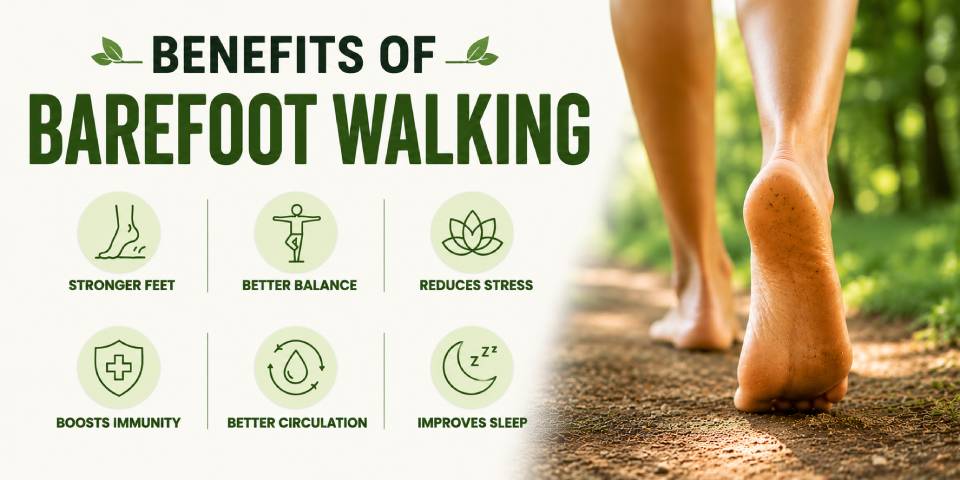
In today’s modern lifestyle, most people spend their entire day wearing footwear. While shoes protect our feet from rough surfaces and injuries, Science suggests that constant separation from the earth may also disconnect us from one of nature’s most powerful healing forces.
Walking barefoot, known as a form of natural grounding, has been practiced for centuries in traditional cultures. Ayurveda views this simple habit as a way to restore balance within the body, improve circulation, calm the mind, and strengthen overall health. To truly maximize these natural healing practices for your specific body type, consulting the best ayurvedic doctor in pune can give you the right path. At Kalpataru Ayurvediya Chikitsalaya™, Dr. Manoj M. Deshpande utilizes his 26+ years of rich clinical experience to combine such lifestyle corrections with authentic therapies for complete wellness.
From morning walks on grass to strolling on natural soil, barefoot walking offers benefits that extend far beyond the feet. Modern science is also beginning to explore how contact with natural surfaces may influence physical and mental well-being. Let us understand the benefits of barefoot walking through the lens of Ayurveda and modern research.
Barefoot Walking in Ayurveda:
Ayurveda considers the feet to be one of the most important gateways to health. The feet contain numerous vital energy points (Marma Points) connected to various organs and systems of the body.
According to Ayurvedic principles:
- The feet are closely linked to the nervous system.
- Stimulation of foot marma points promotes better energy flow.
- Direct contact with nature helps balance the body’s doshas (Vata, Pitta, and Kapha).
- Walking barefoot supports grounding and stability, especially for aggravated Vata dosha.
Ancient Ayurvedic texts emphasize maintaining healthy feet because they influence overall physical and mental wellness.
Benefits of Barefoot Walking:
1. Helps Balance Vata Dosha:
Vata dosha is associated with movement, the nervous system, circulation, and mental activity. Modern lifestyles filled with stress, excessive screen time, irregular routines, and lack of connection with nature can aggravate Vata.
Symptoms of excess Vata may include:
- Anxiety
- Restlessness
- Poor sleep
- Dry skin
- Joint discomfort
- Mental fatigue
Walking barefoot on natural surfaces such as grass, soil, or sand provides a grounding effect that helps calm excess Vata and promotes emotional stability.
2. Stimulates Foot Marma Points:
Ayurveda identifies several marma points located in the feet. These points are believed to influence:
- Eyes
- Brain
- Digestive organs
- Heart
- Reproductive system
When the feet come into contact with natural uneven surfaces, gentle pressure stimulates these energy points, similar to reflexology.
Regular stimulation may help:
- Improve circulation
- Enhance organ function
- Reduce stress
- Support overall vitality
3. Improves Blood Circulation:
Walking barefoot activates the muscles, tendons, and ligaments of the feet more naturally than walking in heavily cushioned footwear.
Better foot movement encourages:
- Improved blood flow
- Enhanced oxygen delivery
- Reduced stiffness
- Stronger lower limb muscles
Healthy circulation supports better nourishment of tissues and assists the body’s natural healing processes.
4. Strengthens Feet and Improves Posture:
Modern footwear often restricts the natural movement of the feet. Over time, this may weaken foot muscles and alter walking mechanics.
Barefoot walking helps:
- Strengthen intrinsic foot muscles
- Improve balance and coordination
- Enhance body awareness
- Support proper posture
Strong feet create a stable foundation for the entire body, reducing unnecessary strain on knees, hips, and lower back.
5. Supports Brain Activity and Sensory Awareness:
Our feet contain numerous proprioceptors—special sensory receptors that constantly detect contact with the ground and send signals to the brain within milliseconds. These receptors help the brain understand body position, movement, and balance.
When walking barefoot, especially on natural and uneven surfaces, these sensory inputs increase significantly. This continuous stimulation helps keep the brain active, alert, and engaged. Some experts believe that regular barefoot walking may support sensory processing, improve balance-related brain functions, and potentially help slow age-related degeneration associated with reduced sensory stimulation.
In this way, barefoot walking benefits not only the feet but also contributes to maintaining brain alertness and overall neurological well-being.
6. Why Excessive Footwear Use May Weaken the Feet:
Modern footwear and shoes play an important role in protecting the feet from external shocks, injuries, rough surfaces, and environmental hazards. However, wearing footwear continuously throughout the day—from the moment one gets out of bed until bedtime, even inside the home—may gradually reduce the natural workload of the feet.
The human foot is designed with a natural arch and numerous small muscles that actively participate in maintaining balance, stability, and movement. When heavily cushioned footwear is worn constantly, these muscles receive fewer opportunities to function naturally. Over time, this may contribute to reduced muscle strength, stability, and overall foot function.
Barefoot walking allows these intrinsic foot muscles to work more actively, helping maintain natural foot mechanics and strength. Therefore, unless footwear is necessary for protection, hygiene, or safety, spending some time walking barefoot at home on safe surfaces may help support healthier and stronger feet.
7. Supports Mental Calmness and Stress Relief:
- Reduce mental agitation
- Promote relaxation
- Improve concentration
- Encourage mindfulness
8. May Improve Sleep Quality:
Many people who practice regular barefoot walking report better sleep.
From an Ayurvedic perspective, grounding activities calm Vata dosha and relax the nervous system.
Benefits may include:
- Easier sleep onset
- Reduced nighttime restlessness
- Improved sleep quality
- Greater morning freshness
Combining barefoot walking with an evening foot massage using warm sesame oil can further support healthy sleep.
9. Enhances Connection with Nature:
Ayurveda teaches that humans are an integral part of nature.
Direct contact with natural elements helps restore harmony between the body and the environment.
Walking barefoot encourages:
- Greater awareness of surroundings
- Emotional well-being
- Mental clarity
- Appreciation of natural rhythms
This connection is particularly valuable in urban environments where people often spend most of their time indoors.
10. Potential Benefits of Grounding: What Modern Science Says:
Modern research has introduced the concept of “Earthing” or “Grounding.”
The theory suggests that direct contact with the earth allows the body to interact with naturally occurring electrical charges from the ground.
Some preliminary studies suggest potential benefits such as:
- Reduced stress
- Better sleep
- Improved mood
- Reduced inflammation markers
- Enhanced recovery from physical exertion
While more large-scale scientific studies are needed, early findings are encouraging and align with traditional observations about the benefits of connecting with nature.
Best Surfaces for Barefoot Walking:
Grass
- Cooling and soothing
- Ideal for morning walks
- Helpful for balancing Pitta and Vata
Natural Soil
- Excellent grounding effect
- Supports sensory stimulation
Sand
- Strengthens foot muscles
- Improves balance and endurance
Natural Stone Paths
- Provides gentle acupressure-like stimulation
- Enhances circulation
How to Start Barefoot Walking Safely?
If you are new to barefoot walking:
- Start with 5–10 minutes daily.
- Choose clean, safe natural surfaces.
- Gradually increase duration.
- Walk mindfully and slowly.
- Stop if you experience discomfort.
- Keep feet clean and moisturized.
People with diabetes, severe neuropathy, foot ulcers, or significant foot deformities should consult their healthcare provider before practicing barefoot walking.
Who Can Benefit Most?
Barefoot walking may be particularly beneficial for:
- Individuals with high stress levels
- People with sedentary lifestyles
- Those experiencing mild sleep disturbances
- Individuals seeking natural wellness practices
- People looking to improve balance and foot strength
Conclusion:
Barefoot walking is a simple yet powerful wellness practice that combines the wisdom of Ayurveda with growing interest from modern science. By stimulating marma points, improving circulation, supporting posture, calming the mind, and reconnecting us with nature, this ancient habit offers holistic benefits for both body and mind.
Even a few minutes of barefoot walking each day on grass, soil, or sand can become a meaningful step toward better health and inner balance. As Ayurveda reminds us, sometimes the most effective healing practices are also the simplest. Reconnect with the earth beneath your feet and experience the natural benefits of barefoot walking.
If you want to discover more traditional lifestyle secrets and get a personalized health plan to achieve total wellness, we are here to support you. Visit Kalpataru Ayurvediya Chikitsalaya™, widely recognized as the best ayurvedic clinic in pune. Let our expert team help you balance your body, mind, and soul using time-tested natural solutions.
Take a step toward long-term good health. Reach out to Kalpataru Ayurvediya Chikitsalaya™ Pune to book a comprehensive consultation with Dr. Manoj M. Deshpande and experience authentic Ayurvedic care.