
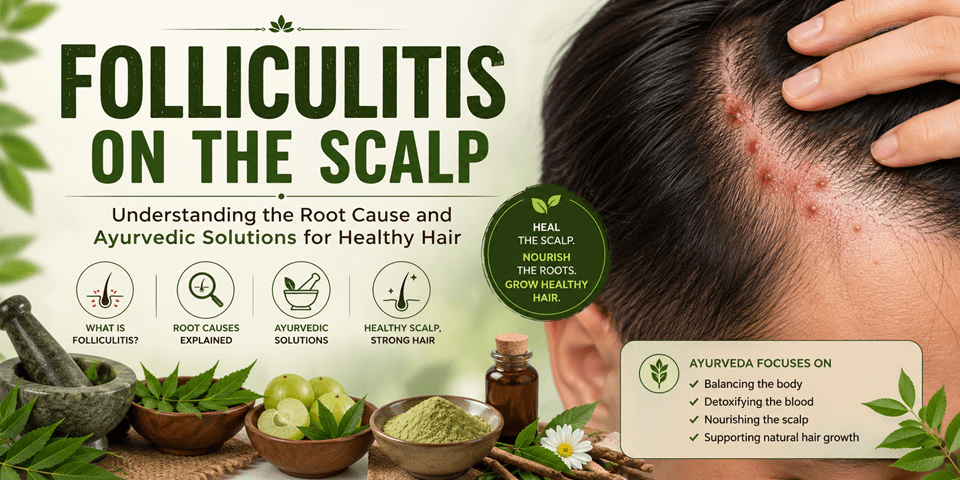
Hair and scalp health play an important role in our overall appearance and confidence. One common yet often overlooked condition is folliculitis on scalp, a disorder that affects the hair follicles and can lead to discomfort, itching, recurrent infections, pain and even hair loss if left untreated.
For those suffering from these persistent symptoms, seeking guidance from the best ayurvedic doctor in pune can make a significant difference. At Kalpataru Ayurvediya Chikitsalaya™, Dr. Manoj M. Deshpande, a highly trusted ayurvedic hair specialist in pune and an expert best ayurvedic skin specialist in pune, utilizes over 26+ years of clinical experience to provide deep, personalized healing for complex scalp and skin conditions.
While conventional medicine often focuses on controlling symptoms with antibiotics and medicated shampoos, Ayurveda aims to identify and treat the root cause of the condition.
At Kalpataru Ayurved Chikitsalaya™ we believe in a holistic approach that addresses the underlying imbalance responsible for scalp disorders and promotes long-term scalp health.
what is folliculitis?
Folliculitis is the inflammation or infection of one or more hair follicles. It commonly appears as small red bumps, pus-filled pimples, or itchy lesions on the scalp. Although it can affect any part of the body where hair grows, scalp folliculitis is particularly troublesome because it can lead to persistent irritation, hair infection and damage to hair roots.
The condition may be mild and temporary, or it may become chronic with recurrent flare-ups.
Common Symptoms of Scalp Folliculitis:
Individuals suffering from scalp folliculitis may experience:
- Small red or white bumps around hair follicles
- Pus-filled pimples on the scalp
- Itching and burning sensation
- Tenderness or pain on touching the scalp
- Crusting and scabbing
- Excessive scalp oiliness
- Hair thinning or localized hair loss in severe cases
- Recurrent scalp infections
Early diagnosis and proper treatment are essential to prevent complications.
scalp folliculitis causes:
Several factors can contribute to the development of this condition. Understanding the primary folliculitis on scalp causes is essential to properly targeting the root issue rather than just treating the surface symptoms. These contributing factors include:
- Bacterial Infection: folliculitis on head cause due to infection by bacteria, particularly Staphylococcus species.
- Excessive Sweating: Sweat accumulation creates a favorable environment for bacterial growth.
- Poor Scalp Hygiene: Improper cleansing can allow dirt, oil, and microbes to clog hair follicles.
- Excessive Oil Production: Oily scalp conditions can block follicles and trigger inflammation.
- Fungal Infection: Certain fungal organisms can infect hair follicles and mimic bacterial folliculitis.
- Frequent Use of Harsh Hair Products: Chemical-laden shampoos, hair gels, sprays, and dyes may irritate the scalp.
- Reduced Immunity: Individuals with weakened immunity may be more susceptible to recurrent follicular infections.
- Stress and Lifestyle Factors: folliculitis scalp causes due Chronic stress, irregular sleep patterns, and unhealthy dietary habits may aggravate scalp disorders.
Understanding Folliculitis Through Ayurveda:
Although the term “folliculitis” is not directly described in classical Ayurvedic texts, its symptoms closely resemble conditions arising from the vitiation of Pitta Dosha, Kapha Dosha, and contamination of Rakta Dhatu (blood tissue) called in Ayurved as Rakt Dushti.
According to Ayurveda, skin and scalp disorders often originate from internal imbalances caused by:
- Consumption of excessively spicy, oily, fermented, and junk foods
- Poor digestion (Mandagni)
- Staying awake at late nights
- Accumulation of toxins (Ama)
- Stress and emotional disturbances
- Improper daily routines
- Blood impurities
When Pitta becomes aggravated, it generates excessive heat and inflammation. Kapha contributes to blockage, pus formation, and oily secretions. The combination creates an ideal environment for follicular inflammation and infection.
Therefore, Ayurveda emphasizes correcting these internal imbalances rather than merely suppressing external symptoms.
Ayurvedic Signs That May Indicate Internal Imbalance:
Patients with scalp folliculitis often exhibit associated symptoms such as:
- Excessive body heat
- Acidity and indigestion
- Oily skin
- Recurrent pimples or acne
- Itchy scalp
- Excessive sweating
- Stress and irritability
- Constipation
These signs help Ayurvedic physicians identify the underlying doshic imbalance and formulate individualized treatment plans.
How to cure folliculitis on scalp: folliculitis scalp treatment
Ayurveda follows a comprehensive treatment strategy that focuses on cleansing, balancing doshas, improving digestion, and strengthening scalp health. here are the treatment for scalp pimples.
1. Shodhana (Detoxification Therapy) Especially Virechan:
When toxins and blood impurities are significant contributors, purification therapies may be recommended under expert supervision.
Shodhna therapy help:
- Eliminate accumulated toxins
- Purify blood
- Reduce inflammation
- Restore dosha balance
2. Rakta Shodhana (Blood Purification):
Blood purification is considered highly beneficial in recurrent skin and scalp disorders.
Ayurvedic medicines and therapies aimed at Rakta Shodhana help:
- Reduce inflammatory reactions
- Improve skin and scalp health
- Prevent recurrence
In cases where infections repeatedly occur in the same area of the scalp, Jalaukavacharana (Leech Therapy) may be considered as part of a comprehensive Ayurvedic treatment plan under expert supervision. While medicines help control the infection internally, local cleansing of the affected area is equally important. Application of medicinal leeches can assist in localized purification, help improve circulation, and support the removal of accumulated impurities. This often helps keep the affected area cleaner and may contribute to longer-lasting relief in recurrent cases.
3. Internal Ayurvedic Medicines:
Based on individual constitution and disease stage, herbal formulations may be prescribed to:
- Balance Pitta and Kapha doshas
- Improve digestion
- Enhance immunity
- Reduce infection and inflammation naturally
Various Ayurvedic formulations aimed at blood purification and immune enhancement are often selected according to the individual’s constitution (Prakriti), disease stage, and overall health status. Among these, Guggulu-based formulations are considered particularly important in managing chronic inflammatory and recurrent conditions. Commonly used preparations may include Amritadi Guggulu, Triphala Guggulu, Nimbadi Guggulu, Kaishore Guggulu, Panchatikta Ghrita Guggulu, and Swayambhu Guggulu.
However, the selection of these formulations, their dosage, duration, and combinations should always be individualized based on the patient’s specific condition and under the guidance of a qualified Ayurvedic physician. When used judiciously and appropriately, these formulations may help provide long-term benefits and reduce the likelihood of recurrence.
4. External Therapies:
Specialized Ayurvedic scalp applications may be used to:
- Soothe irritation
- Reduce itching
- Control microbial growth
- Promote healing of damaged follicles
Ayurveda also recommends Dhavana Chikitsa (therapeutic herbal washing) as a supportive treatment for scalp folliculitis. Various Ayurvedic herbs such as Yashtimadhu (Licorice), Haridra (Turmeric), Dhanyaka (Coriander Seeds), Guduchi, Lodhra, and herbs belonging to the Aragwadhadi Gana are traditionally used to prepare herbal decoctions. When these decoctions are used for cleansing and washing the scalp, they may help maintain scalp hygiene, reduce inflammation, and support the healing process.
Different forms of Lepa Chikitsa (herbal paste applications) may also be utilized depending on the patient’s condition. Herbal formulations containing Triphala, Nimba (Neem), Yashtimadhu (Licorice), and Nagarmotha are traditionally applied to the affected areas to help reduce inflammation, support local healing, and facilitate faster resolution of infection.
5. Lifestyle and Dietary Correction:
Diet and lifestyle form an essential part of Ayurvedic management.
Diet Recommendations for Scalp Folliculitis:
Foods to Include:
- Fresh seasonal fruits
- Green leafy vegetables
- Bitter vegetables such as neem leaves (under guidance), bitter gourd, and fenugreek
- Amla (Indian gooseberry)
- Coconut water
- Whole grains
- Adequate water intake
Foods to Avoid:
- Excessively spicy foods
- Deep-fried snacks
- Fast food and processed foods
- Excessive sugar
- Carbonated beverages
- Dairy products
- Fermented foods in excess
- Alcohol and smoking
A balanced diet helps reduce internal inflammation and supports healing.
Daily Habits for a Healthy Scalp:
To prevent folliculitis recurrence:
- Wash the scalp regularly with suitable herbal cleansers
- Avoid sharing combs, towels, and headgear
- Keep the scalp clean and dry
- Avoid excessive scratching
- Manage stress through yoga and meditation
- Get adequate sleep
- Maintain proper hydration
Can Folliculitis Cause Hair Loss?
Yes. Chronic or severe folliculitis can damage hair follicles over time. Persistent inflammation may weaken hair roots and lead to temporary or, in some cases, permanent hair loss.
Early intervention significantly reduces the risk of follicular damage and improves the chances of healthy hair regrowth.
Why Recurrence Happens Frequently?
Many individuals experience repeated episodes because only the infection is treated while the underlying factors remain unaddressed.
One of the most challenging aspects of scalp folliculitis is its tendency to recur frequently. Many individuals notice that symptoms improve temporarily after taking antibiotics, only to return again after a few days or weeks. This repeated cycle of infection, temporary relief, and recurrence often causes significant frustration and discomfort, affecting both physical and emotional well-being.
Common reasons for recurrence include:
- Persistent dosha imbalance
- Blood impurities
- Poor digestion
- Stress
- Excessive scalp oiliness
- Weak immunity
Ayurveda focuses on correcting these contributing factors to provide long-lasting relief.
This is where the role of immunity becomes extremely important. A strong immune system helps the body resist recurrent infections and supports long-term scalp health. Therefore, efforts should be made to improve overall immunity through proper nutrition and healthy lifestyle practices.
A diet that supports immune function should include adequate amounts of protein-rich foods such as lentils, legumes, pulses, nuts, seeds, fresh salads, fruits, and green leafy vegetables. At the same time, excessive sugar, fried foods, junk food, and fast food should be minimized. By strengthening immunity, the body becomes better equipped to prevent recurrent follicular infections and promote lasting recovery.
When Should You Consult an Ayurvedic Physician?
Seek professional evaluation if you experience:
- Recurrent scalp pimples
- Persistent itching
- Painful scalp lesions
- Hair loss associated with scalp inflammation
- Repeated infections despite treatment
Early treatment can prevent progression and protect hair follicle health.
About Dr. Manoj Deshpande:
Dr. Manoj Deshpande is the Founder of Kalpataru Ayurved Chikitsalaya™, a trusted center for authentic Ayurvedic healthcare with over 25 years of experience. Through a patient-centered and root-cause-based approach, he helps individuals manage chronic skin, hair, and lifestyle disorders using the timeless principles of Ayurveda.
Conclusion:
Scalp folliculitis is more than a simple skin infection. It often reflects deeper imbalances involving digestion, blood purification, immunity, and dosha disturbances. While temporary relief may be achieved through symptom management, lasting improvement requires addressing the root cause.
Ayurveda offers a holistic and personalized approach that combines internal healing, blood purification, dietary correction, lifestyle modification, and scalp care to restore long-term scalp health. By identifying and correcting the underlying imbalance, Ayurvedic treatment aims not only to control folliculitis but also to prevent its recurrence and support healthy hair growth naturally.
If you are tired of temporary fixes and recurring infections, it is time to choose a permanent folliculitis scalp treatment. Consult Dr. Manoj M. Deshpande, recognized as the best ayurvedic skin specialist in pune and an expert ayurvedic hair specialist in pune with over 26+ years of clinical experience. Book your appointment at Kalpataru Ayurvediya Chikitsalaya™ today to get a personalized treatment plan for a healthy, infection-free scalp.