
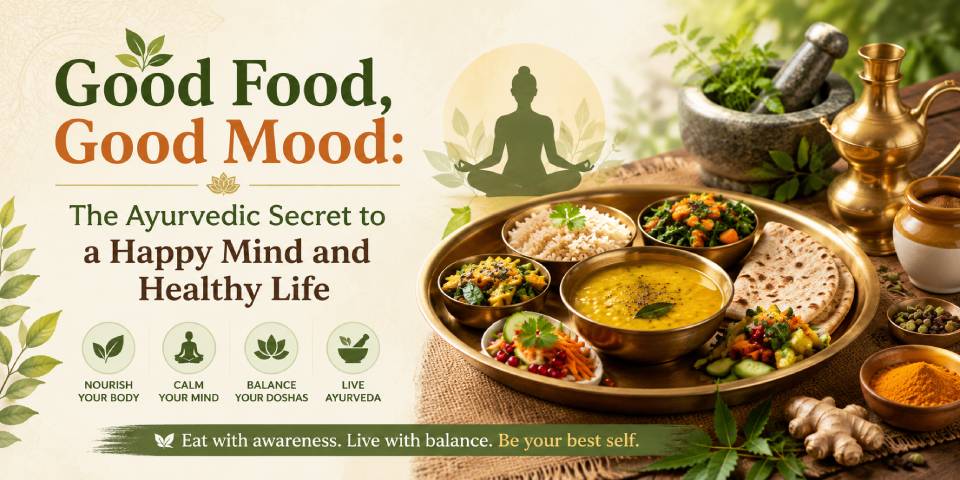
In today’s fast-paced world, stress, anxiety, mood swings, and mental fatigue have become common concerns. To address these modern challenges, consulting the best Ayurvedic doctor in Pune can offer deep, lasting relief. With over 26 years of clinical experience, Dr. Manoj M. Deshpande at Kalpataru Ayurvediya Chikitsalaya™ has been guiding patients toward mental clarity and physical vitality through specialized Ayurvedic treatment in Pune. While many people look for solutions in medications, supplements, or self-help techniques, Ayurveda reminds us of a simple yet powerful truth:
“Your food shapes your mood.”
The ancient Ayurvedic wisdom has always emphasized that food is not just fuel for the body—it is nourishment for the mind and soul as well. Modern science is now validating what Ayurveda has taught for thousands of years: the food we eat directly influences our emotional well-being, mental clarity, energy levels, and overall happiness.
The Connection Between Food and Mood:
Have you ever noticed feeling energetic and cheerful after a wholesome meal, or sluggish and irritable after consuming junk food?
This happens because what we eat affects our digestion, hormones, brain function, and nervous system.
According to Ayurveda, health is not merely the absence of disease. True health is achieved when the body, mind, and spirit are in harmony. The food we consume plays a major role in maintaining this balance.
A healthy digestive system, known as Agni (digestive fire), is considered the foundation of good health. When digestion is strong, nutrients are properly absorbed, tissues are nourished, and the mind remains calm and balanced. When digestion is weak, toxins known as Ama accumulate in the body, affecting both physical and mental health.
Ayurveda's Classification of Foods and Their Impact on the Mind:
The wisdom of Ayurveda regarding Sattva, Rajas, and Tamas is also reflected in the Bhagavad Gita. The Gita explains that the nature of the food we consume influences our thoughts, emotions, and behavior. In other words, the quality of our diet shapes the quality of our mind. This timeless principle can be summarized in a simple phrase: “What you eat, you become.” Foods that promote clarity, balance, and vitality help cultivate a calm and positive mind, while foods that are excessively stimulating or dulling can disturb mental harmony.
Ayurveda categorizes food into three groups based on their effect on mental qualities.
1. Sattvic Foods – Foods that Promote Peace and Positivity:
Sattvic foods are fresh, natural, and nourishing. They help create mental clarity, emotional stability, and inner peace.
Examples include:
- Fresh fruits
- Seasonal vegetables
- Whole grains
- Moong dal
- Cow’s ghee
- Milk (if suitable)
- Nuts and seeds
- Freshly prepared meals
People who consume a predominantly sattvic diet often experience:
- Better concentration
- Emotional balance
- Positive thinking
- Improved sleep
- Greater energy and vitality
2. Rajasic Foods – Foods that Increase Activity and Restlessness:
Rajasic foods stimulate the body and mind. While they may provide temporary energy, excessive consumption can lead to irritability and mental agitation.
Examples include:
- Excessively spicy foods
- Strong tea and coffee
- Energy drinks
- Excess salt
- Deep-fried foods
Overconsumption may contribute to:
- Anxiety
- Restlessness
- Anger
- Sleep disturbances
3. Tamasic Foods – Foods that Cause Heaviness and Dullness:
Tamasic foods are stale, overly processed, or difficult to digest. These foods can create lethargy and mental dullness.
Examples include:
- Packaged junk food
- Stale leftovers
- Excessively processed foods
- Artificially flavored foods
- Overly greasy meals
Regular consumption may lead to:
- Low motivation
- Mental fog
- Fatigue
- Poor digestion
Modern Science Supports the Ayurvedic View:
Recent scientific research has highlighted the importance of the gut-brain connection. The digestive system and brain constantly communicate through a network of nerves, hormones, and beneficial gut bacteria.
In fact, a large percentage of the body’s serotonin—often called the “feel-good hormone”—is produced in the gut. When digestion is healthy, mood regulation improves. When digestive health is compromised, emotional well-being can suffer.
Studies have also shown that diets rich in fresh fruits, vegetables, whole grains, and healthy fats are associated with better mental health outcomes, while highly processed foods are linked to increased rates of stress, anxiety, and depression.
Ayurvedic Tips for Better Mood Through Better Food:
- Eat Freshly Prepared Meals: Fresh food contains higher prana (life force) and is easier to digest. Avoid repeatedly reheated or stale food whenever possible.
- Follow Regular Meal Timings: Eating at irregular hours disturbs digestion and may affect energy and mood. Try to maintain consistent meal timings every day.
- Make Lunch Your Main Meal: According to Ayurveda, digestive fire is strongest around midday. Consuming your largest meal at lunch supports optimal digestion and nutrient absorption.
- Include All Six Tastes: Ayurveda recommends balancing the six tastes—sweet, sour, salty, pungent, bitter, and astringent—in daily meals. This promotes satisfaction and reduces unhealthy cravings.
Examples of the Six Tastes Recommended in Ayurveda:
Ayurveda recommends balancing all six tastes in daily meals to support physical health, emotional satisfaction, and mental well-being. Healthy examples of these tastes include:
- Sweet (Madhura): Whole grains, dates, milk, sweet fruits such as mango and banana
- Sour (Amla): Amla (Indian gooseberry), lemon, pomegranate, buttermilk
- Salty (Lavana): Natural rock salt used in moderation
- Pungent (Katu): Ginger, black pepper, garlic
- Bitter (Tikta): Bitter gourd, fenugreek leaves, neem
- Astringent (Kashaya): Pomegranate, lentils, green tea, chickpeas
Including all six tastes in appropriate proportions helps improve digestion, reduce cravings, and create a greater sense of satisfaction after meals.
- Avoid Emotional Eating: Many people eat when stressed, bored, or upset. Instead, practice mindful eating and pay attention to your body’s actual hunger signals.
- Stay Hydrated: Proper hydration supports digestion, circulation, and mental clarity. Sip water throughout the day rather than consuming large quantities at once.
- Eat Mindfully: Avoid watching television, scrolling on your phone, or working while eating. Focus on the meal, chew properly, and appreciate the nourishment it provides.
Foods That Naturally Support a Positive Mood:
Some Ayurvedic foods known to support mental well-being include:
- Ghee for nourishment of the nervous system
- Almonds for brain health
- Dates for natural energy
- Fresh fruits for vitality
- Moong dal for easy digestion
- Seasonal vegetables for essential nutrients
- Turmeric for its antioxidant properties
- Amla for overall rejuvenation
- Warm herbal teas for relaxation
Pomegranate (Dalimba) deserves special mention among mood-supporting foods in Ayurveda. It is considered one of the most beneficial fruits for supporting digestion, nourishing the body, and promoting overall vitality. Rich in antioxidants and naturally balancing in nature, pomegranate helps support both physical health and emotional well-being.
Foods That Can Negatively Affect Your Mood:
1. Refined Sugars and Simple Carbohydrates:
Foods rich in refined sugars and simple carbohydrates can cause rapid spikes in blood glucose levels. Although these foods may provide temporary pleasure and energy, the sudden rise is often followed by a sharp drop in blood sugar levels. This fluctuation can trigger cravings, irritability, fatigue, and mood swings.
Regular consumption of highly processed sweets, sugary beverages, white bread, pastries, and similar foods may create a cycle of repeated sugar cravings. To support stable energy and a balanced mood, it is better to choose complex carbohydrates and combine carbohydrates with fiber-rich foods. Fiber helps slow glucose absorption, reducing sudden spikes and crashes in blood sugar levels.
2. Excessive Consumption of Caffeinated Drinks:
Tea and coffee may temporarily improve alertness and mood. However, excessive consumption of caffeinated beverages can negatively affect sleep quality. Poor sleep has a direct impact on mood, concentration, enthusiasm, productivity, and emotional resilience. Therefore, caffeine should be consumed in moderation as part of a balanced lifestyle.
3. Alcohol and Intoxicating Substances:
Alcohol and other intoxicating substances may provide temporary relaxation, but they often disturb mental balance over time. Excessive use can contribute to restlessness, emotional instability, anxiety, depression, reduced mental clarity, and dependency. Ayurveda strongly emphasizes maintaining mental awareness and avoiding substances that cloud the mind.
4. Trans Fats and Highly Processed Foods:
Trans fats, commonly found in many bakery products, cakes, pastries, packaged snacks, and foods prepared using hydrogenated oils such as vanaspati (dalda), may negatively affect overall health and emotional well-being. Although these foods are often highly appealing and tasty, excessive consumption can adversely affect gut health and the beneficial bacteria that support digestive function.
Since gut health plays an important role in serotonin production and emotional balance, disruption of gut bacteria may contribute to reduced enthusiasm, low mood, and decreased overall well-being. Limiting foods rich in trans fats is therefore an important step toward maintaining both physical and mental health.
5. Lifestyle Matters Too:
While food plays a vital role, Ayurveda believes that a healthy mind also depends on proper lifestyle habits.
For better emotional well-being:
- Get adequate sleep
- Practice yoga regularly
- Perform pranayama and meditation
- Spend time in nature
- Maintain positive relationships
- Reduce excessive screen time
- Follow a balanced daily routine
When healthy eating is combined with a healthy lifestyle, the benefits extend beyond physical health and contribute to long-term emotional resilience.
Conclusion:
The phrase “Good Food, Good Mood” is far more than a popular saying—it is a timeless principle supported by both Ayurveda and modern science. The quality of food you choose each day directly influences your digestion, energy, emotions, and mental well-being.
By choosing fresh, wholesome, and balanced foods, supporting your digestive health, and practicing mindful eating, you can create a strong foundation for a happier mind and healthier life.
Remember, every meal is an opportunity to nourish not only your body but also your thoughts, emotions, and overall sense of well-being.
About Kalpataru Ayurvediya Chikitsalaya™:
At the best Ayurvedic clinic in Pune, Kalpataru Ayurvediya Chikitsalaya™, Dr. Manoj Deshpande believes that true healing begins with the right food, proper digestion, and a balanced lifestyle. Through personalized Ayurvedic guidance, diet recommendations, and holistic treatment approaches, individuals can achieve better physical health, emotional stability, and lasting wellness.
Good food truly creates a good mood—and a healthier, happier life.
Don’t let stress, fatigue, or chronic health issues hold you back. Consult the best Ayurvedic doctor in Pune today and experience the transformative power of authentic Ayurveda.