
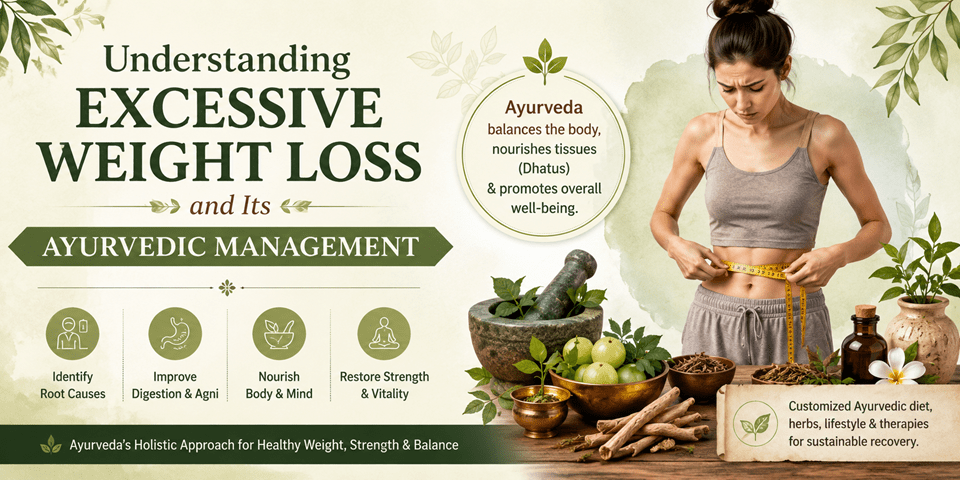
In today’s fast-paced lifestyle, most health discussions revolve around obesity and weight gain. However, excessive weight loss or being underweight can also become a serious health concern. Sudden or continuous loss of body weight may indicate nutritional deficiencies, digestive disorders, chronic illnesses, hormonal imbalance, stress, or poor lifestyle habits. Along with physical weakness, excessive weight loss can affect immunity, mental health, fertility, energy levels, and overall quality of life.
To help address these concerns safely, consulting the best ayurvedic doctor in pune can provide a customized and sustainable path to recovery. Dr. Manoj M. Deshpande, a highly experienced Ayurvedacharya in pune with over 26+ years of clinical expertise, is a specialist in weight management and obesity. At Kalpataru Ayurvediya Chikitsalaya™, he guides patients through personalized treatment plans that focus on root-cause healing rather than quick fixes.
According to Ayurveda, healthy body weight reflects balanced digestion, proper nourishment of body tissues (Dhatus), and strong vitality (Ojas). When the body fails to absorb or utilize nutrients properly, gradual depletion of tissues occurs, leading to weakness and unhealthy weight loss.
Ayurveda does not focus only on increasing body weight artificially. Instead, it aims to identify the root cause, improve digestion and metabolism, nourish body tissues naturally, strengthen immunity, and restore overall health in a holistic manner.
What Is Excessive Weight Loss?
Excessive weight loss refers to unintentional reduction in body weight beyond normal limits. It may occur gradually or suddenly and can affect people of all ages.
A person may be considered underweight when:
- Body Mass Index (BMI) is below 18.5
- There is visible muscle wasting
- Persistent fatigue and weakness occur
- Appetite decreases significantly
- Clothes become loose without intentional dieting
- Physical stamina reduces noticeably
Sudden weight loss without trying should never be ignored because it may signal an underlying medical condition.
Common Symptoms Associated With Excessive Weight Loss:
People experiencing unhealthy weight loss may also notice:
- Weakness and fatigue
- Loss of appetite
- Dry skin and hair fall
- Reduced muscle mass
- Frequent infections
- Poor concentration
- Irritability and anxiety
- Digestive disturbances
- Nutritional deficiencies
- Irregular menstrual cycles in women
- Low immunity
- Sleep disturbances
In severe cases, excessive weight loss may affect the functioning of vital organs and reduce overall vitality.
Causes of Excessive Weight Loss According to Modern Medicine:
1. Poor Nutrition:
Inadequate intake of calories, proteins, vitamins, and minerals can result in gradual weight loss.
2. Digestive Disorders:
Conditions like:
- Irritable bowel syndrome (IBS)
- Ulcerative colitis
- Celiac disease
- Chronic pancreatitis
- Chronic diarrhea
- Acid reflux
- Malabsorption syndromes
can prevent proper absorption of nutrients.
3. Hyperthyroidism:
Overactive thyroid gland increases metabolism and causes rapid weight loss.
4. Diabetes:
Uncontrolled diabetes may lead to weight loss despite normal eating habits.
5. Chronic Infections:
Tuberculosis, recurrent infections, and chronic inflammatory diseases may reduce body weight significantly.
6. Psychological Causes:
Stress, anxiety, depression, eating disorders, and emotional trauma can affect appetite and digestion.
7. Cancer and Chronic Diseases:
Certain chronic illnesses may cause unexplained weight loss.
8. Excessive Physical Activity:
Over-exercising without adequate nutrition can result in muscle wasting and weakness.
Ayurvedic Understanding of Excessive Weight Loss:
In Ayurveda, excessive weight loss is often associated with:
- Dhatu Kshaya (depletion of body tissues)
- Agnimandya (weak digestive fire)
- Vata Dosha aggravation
- Malabsorption and poor nourishment
Ayurveda believes that food undergoes proper digestion through healthy Agni (digestive fire). The nutrients formed after digestion nourish the seven body tissues:
- Rasa (plasma)
- Rakta (blood)
- Mamsa (muscle)
- Meda (fat)
- Asthi (bones)
- Majja (marrow/nervous tissue)
- Shukra (reproductive tissue)
When digestion becomes weak or imbalanced, the body fails to nourish these tissues properly, resulting in progressive weakness and weight loss.
Ayurvedic Causes of Excessive Weight Loss:
- Weak Digestive Fire (Mandagni): Improper digestion prevents adequate nutrient absorption.
- Vata Imbalance: Excess Vata causes dryness, tissue depletion, anxiety, poor sleep, and weight loss.
- Stress and Mental Exhaustion: Mental stress disturbs digestion and metabolism.
- Irregular Eating Habits: Skipping meals, fasting excessively, or consuming processed foods weakens the body.
- Chronic Illness: Long-standing diseases drain body energy and nutrition.
- Overexertion: Excessive physical activity without adequate nourishment aggravates Vata.
New Ayurvedic Perspective: Bhsmak Rog and Excessive Weight Loss:
Ayurveda describes a condition known as “Bhsmak.” In this condition, a person experiences extremely excessive hunger and consumes large amounts of food, yet body weight does not increase properly. According to Ayurvedic understanding, increased Tej Mahabhuta (fire element) starts consuming or suppressing Prithvi Mahabhuta and Aap Mahabhuta within the body. As a result, excessive internal heat develops, Vata Dosha increases, and gradual tissue depletion occurs.
Such individuals may appear to eat well, but due to excessive internal metabolic activity and aggravated heat, the body undergoes continuous degeneration and unhealthy weight loss.
Importance of Reducing Excess Internal Heat:
In such cases, treatment is not always focused on increasing Agni (digestive fire). Sometimes, excessive internal heat itself becomes the reason for tissue depletion and weight loss. Therefore, medicines and therapies that help reduce excessive body heat and balance aggravated Pitta and Vata become necessary.
This is an important Ayurvedic perspective because every patient with weight loss does not necessarily require strong Agni-enhancing medicines. Proper assessment of Dosha imbalance and body constitution is essential before treatment.
Risk Factors for Excessive Weight Loss:
Certain individuals are more vulnerable:
- Elderly individuals
- People with chronic digestive disorders
- Individuals with poor appetite
- Patients recovering from surgery or illness
- People under chronic stress
- Individuals with eating disorders
- People with hormonal imbalance
- Excessive gym-goers without balanced nutrition
Complications of Untreated Excessive Weight Loss:
If not managed properly, excessive weight loss may lead to:
- Severe nutritional deficiencies
- Weak immunity
- Muscle wasting
- Fatigue and low stamina
- Hair loss and skin problems
- Hormonal imbalance
- Fertility issues
- Osteoporosis
- Mental health disturbances
- Delayed healing capacity
Hence, timely evaluation and treatment are important.
Ayurvedic Principles for Healthy Weight Gain:
Ayurveda focuses on natural and sustainable weight restoration through:
- Improving digestion
- Enhancing nutrient absorption
- Balancing Doshas
- Nourishing body tissues
- Strengthening immunity
- Reducing stress
- Promoting healthy sleep and metabolism
Unlike artificial supplements or unhealthy overeating, Ayurveda promotes gradual and healthy tissue nourishment.
Ayurvedic Treatments for Excessive Weight Loss:
1. Deepana and Pachana Therapy:
These therapies improve digestive fire and metabolism.
Common herbs include:
- Trikatu
- Jeerak (Cumin)
- Pippali
- Ginger
They help enhance appetite and digestion.
2. Brimhana Therapy (Nourishing Therapy):
Brimhana therapies are used to nourish depleted tissues and increase body strength naturally.
This includes:
- Nutrient-rich Ayurvedic diet
- Herbal formulations
- Oil therapies
- Rejuvenation therapies
3. Rasayana Therapy:
Rasayana treatments help improve immunity, vitality, and tissue regeneration.
Common Rasayana herbs:
Ashwagandha:
- Improves strength and stamina
- Reduces stress
- Enhances muscle mass
- Supports better sleep
Shatavari:
- Nourishes body tissues
- Improves vitality
- Beneficial in weakness and fatigue
Vidarikand:
- Acts as a natural rejuvenator
- Helps healthy weight gain
- Improves energy
Yashtimadhu:
- Supports digestion
- Reduces acidity
- Promotes tissue nourishment
4. Abhyanga (Ayurvedic Oil Massage):
Regular oil massage:
- Reduces Vata imbalance
- Improves circulation
- Enhances muscle nourishment
- Promotes better sleep
- Relaxes the nervous system
Medicated oils may be selected according to body constitution.
5. Panchakarma Therapies:
In selected patients, Panchakarma therapies help detoxify the body and improve digestion and nutrient absorption.
Therapies may include:
- Basti (medicated enema)
- Shirodhara
- Nasya
- Gentle detox procedures
Panchakarma should always be done under expert Ayurvedic supervision.
Best Ayurvedic Herbs for Weight Gain and Strength:
Ashwagandha:
- Improves strength and stamina
- Reduces stress
- Enhances muscle mass
- Supports better sleep
Shatavari:
- Nourishes body tissues
- Improves vitality
- Beneficial in weakness and fatigue
Vidarikand:
- Acts as a natural rejuvenator
- Helps healthy weight gain
- Improves energy
Yashtimadhu:
- Supports digestion
- Reduces acidity
- Promotes tissue nourishment
Ayurvedic Diet for Excessive Weight Loss:
Diet plays a major role in healthy weight restoration.
Recommended Foods:
- Warm freshly cooked meals
- Milk and ghee
- Homemade butter
- Dates and raisins
- Almonds and walnuts
- Moong dal
- Rice and wheat preparations
- Sweet fruits like banana and mango
- Khichadi with ghee
- Fresh soups
Importance of Balanced Dieting and Healthy Fat Loss:
One important modern concern is the growing fad of unhealthy dieting practices. Many individuals trying to lose weight drastically reduce calories, completely stop fats, or eliminate carbohydrates from their diet without following a healthy and scientific approach.
However, the body requires complex carbohydrates, dietary fibers, and healthy fats for proper nourishment, immunity, hormonal balance, and energy production. Extreme dieting can lead to rapid unhealthy weight loss, reduced immunity, weakness, and gradual tissue depletion.
Therefore, weight loss programs should always be followed under the guidance of qualified doctors, Ayurvedic physicians, or dietitians. It is important to understand that fat loss is more beneficial than uncontrolled body weight loss. Otherwise, improper dieting may cause abnormal degeneration of the body and increase the risk of multiple diseases.
Importance of Six Tastes (Shad Rasa) in Ayurveda:
Ayurveda emphasizes the importance of including all six tastes (Shad Rasa) in the daily diet:
- Madhura (Sweet)
- Amla (Sour)
- Lavana (Salty)
- Tikta (Bitter)
- Katu (Pungent)
- Kashaya (Astringent)
Proper inclusion of all six tastes helps maintain balance of Doshas and proper nourishment of body tissues (Dhatus). A balanced diet containing all Rasas supports digestion, metabolism, immunity, and healthy body weight maintenance while preventing excessive tissue depletion.
Foods to Avoid:
- Junk foods
- Cold and refrigerated foods
- Excess tea and coffee
- Carbonated drinks
- Excessively spicy or dry foods
- Skipping meals
- Processed foods
Lifestyle Recommendations in Ayurveda:
- Maintain Regular Meal Timings: Eating at fixed times improves digestion.
- Get Adequate Sleep: Proper sleep helps tissue repair and nourishment.
- Manage Stress: Meditation, yoga, and breathing exercises help reduce Vata aggravation.
- Avoid Overexertion: Excessive physical activity may worsen tissue depletion.
- Practice Gentle Exercise: Mild yoga and stretching improve digestion and circulation.
Yoga and Pranayama for Healthy Weight Gain:
Helpful practices include:
- Vajrasana
- Bhujangasana
- Shavasana
- Anulom Vilom
- Bhramari Pranayama
These practices improve digestion, reduce stress, and support overall health.
When to Consult a Doctor?
Immediate medical evaluation is important if weight loss is accompanied by:
- Persistent fever
- Blood in stool
- Severe weakness
- Loss of appetite
- Chronic diarrhea
- Unexplained fatigue
- Thyroid symptoms
- Persistent vomiting
- Rapid unexplained weight reduction
Early diagnosis helps identify serious underlying conditions.
Can Ayurveda Help in Healthy Weight Gain?
Yes. Ayurveda can play an important supportive role by:
- Correcting digestion
- Improving appetite
- Enhancing nutrient absorption
- Reducing stress
- Strengthening body tissues
- Restoring natural energy and immunity
Ayurvedic treatment is individualized based on:
- Body constitution (Prakriti)
- Digestive strength
- Dosha imbalance
- Existing diseases
- Lifestyle factors
The goal is not just increasing body weight but restoring complete physical and mental well-being.
Conclusion:
Excessive weight loss should never be ignored, especially when it occurs unintentionally or is associated with weakness and poor health. Healthy body weight reflects balanced nutrition, proper digestion, strong immunity, and overall vitality.
Ayurveda approaches excessive weight loss holistically by identifying the root cause, improving digestion, nourishing body tissues, balancing Doshas, and strengthening the body naturally. Through proper diet, herbal support, Panchakarma therapies, and lifestyle correction, Ayurveda aims to restore healthy weight and long-term wellness in a sustainable manner.
If you are experiencing unexplained or persistent weight loss, consulting a qualified physician is essential to find a safe and healthy recovery path. Book an appointment with Dr. Manoj M. Deshpande, a specialist in weight management and obesity with over 26+ years of experience, widely recognized as the best ayurvedic dr in pune.
Take your first step towards holistic health today. Visit Kalpataru Ayurvediya Chikitsalaya™ or contact us to schedule your personalized consultation.