
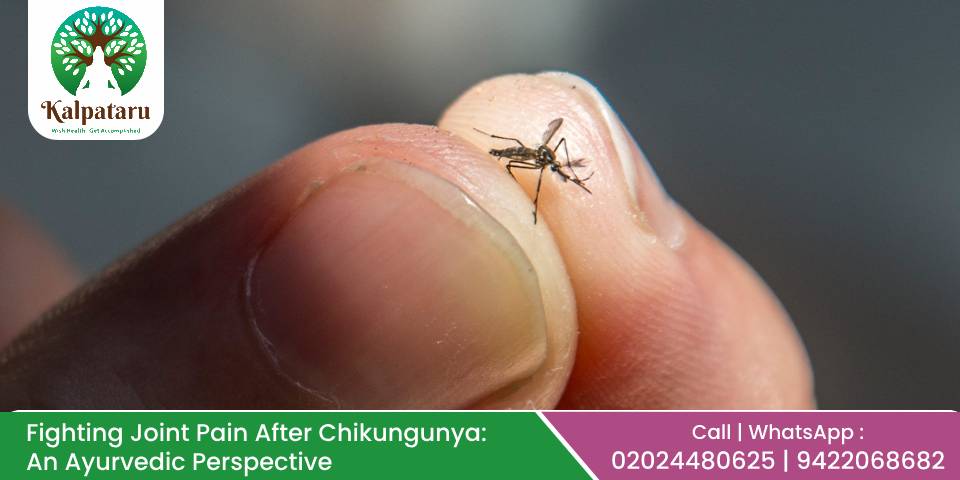
Chikungunya is a viral infection transmitted by Aedes mosquitoes. While the initial fever may vanish within a week, the joint pain after chikungunya (Arthralgia) is notorious for sticking around. Many people look for an effective post chikungunya joint pain treatment because the discomfort becomes chronic, lasting months or even years—a condition often referred to as post chikungunya arthritis. If you are searching for the best medicine for chikungunya joint pain or trying to figure out how to cure joint pain after chikungunya, traditional wisdom offers deep healing.
According to Dr. Manoj Deshpande, widely regarded as the best ayurvedic doctor in pune, this lingering body pain after chikungunya requires a root-cause approach rather than just temporary relief. At Kalpataru Ayurvediya Chikitsalaya™, we specialize in comprehensive chikungunya pain treatment to help patients regain full mobility.
In Ayurveda, this condition of severe joint pain in chikungunya is classified under Sandhigata Vata (Vata in the joints) with an involvement of Ama (metabolic toxins). To truly achieve complete chikungunya recovery time and relief, one must not just mask the pain but detoxify the body and balance the Doshas.
Understanding Post-Chikungunya Joint Pain
Why does it hurt for so long?
From a clinical perspective, the virus can trigger a long-term inflammatory response in the synovial membranes of your joints, leading to severe joint pain after chikungunya. In Ayurveda, the infection severely depletes your Agni (Digestive Fire). When Agni is weak, the body produces Ama. This toxic byproduct circulates and settles in the joints, causing chronic chikungunya arthritis:
- Vata Imbalance: Leading to “moving” pain, dryness, cracking sounds, and chikungunya bone pain treatment needs.
- Kapha Imbalance: Leading to swelling, heaviness, and stiffness, especially in the morning, which requires specific chikungunya leg swelling treatment.
Chikungunya joint pain how long does it last?
This is one of the most searched queries regarding chikungunya symptoms. For 60% of patients, post chikungunya joint pain subsides within 2 to 12 weeks. However, for those with a high “Ama” load or pre-existing Vata issues, joint pain after chikungunya treatment might be required for 6 months to a year. Expert ayurvedic treatment for joint pain after chikungunya aims to reduce this duration by half.
Conventional Approaches to Managing Joint Pain:
Standard treatment for joint pain after chikungunya usually focuses on symptom management:
- Pain Relief Medication: Non-steroidal anti-inflammatory drugs (NSAIDs) can help alleviate pain and reduce inflammation.
- Physiotherapy: Doing regular chikungunya joint pain exercises and stretching helps improve joint mobility and reduce stiffness. Specific low-impact activities like swimming or yoga are also effective.
- Hydration: Drinking sufficient fluids assists the body in flushing out residual toxins and viruses, which may help reduce inflammation.
While these approaches offer relief, Ayurveda provides a holistic perspective for treatment of joint pain after chikungunya that not only addresses symptoms but also aims to restore balance in the body.
Ayurveda's Perspective on Joint Pain After Chikungunya:
Ayurveda, a traditional system of Indian medicine, views chikungunya joint pain following the viral infection as a manifestation of Vata and Kapha dosha imbalance, exacerbated by the body’s weakened state post-infection. Vata dosha governs movement, flexibility, and function of the joints, and when imbalanced, it leads to symptoms such as stiffness, pain, and dryness in the joints. Deranged Kapha dosha leads to joint inflammation, often causing noticeable foot pain after chikungunya, leg pain after chikungunya, and chikungunya feet pain.
Ayurvedic Home Remedies for Joint Pain (Gharelu Upay)
Users are actively searching for “chikungunya ke baad jodo ke dard ka ilaj” and “chikungunya ke baad dard ka ilaj.” For effective chikungunya home remedies for joint pain (चिकनगुनिया से होने वाले जोड़ों के दर्द का इलाज / चिकनगुनिया आयुर्वेदिक उपाय मराठी), here are the most effective home-based strategies for after chikungunya joint pain treatment:
- Dry Ginger (Sunthi) & Coriander Water: Boil 1 teaspoon of dry ginger powder and 1 teaspoon of coriander seeds in 1 liter of water. Reduce it to half. Drink this throughout the day. It is excellent for “Amapachana” (digesting toxins) and acts as an excellent post chikungunya joint pain treatment home remedies solution.
- Garlic Milk (Lashuna Ksheerapaka): Boil 3-4 cloves of crushed garlic in a mix of half cup milk and half cup water until only the milk remains. Drink this at night. Garlic is a potent anti-inflammatory and Vata-pacifier for chikungunya treatment for joint pain.
- Castor Oil (Erandel Tel): Taking 1 teaspoon of edible castor oil with warm water at night helps clear the bowels and removes Vata from the root (the colon), serving as a trusted remedy for how to get rid of chikungunya joint pain.
- Turmeric & Black Pepper: Always combine turmeric with a pinch of black pepper to increase the absorption of curcumin, which acts as a natural ibuprofen for how to reduce chikungunya joint pain.
Professional Ayurvedic Panchakarma Treatments
If your pain is severe and you want to know how to overcome chikungunya joint pain completely, home remedies may not be enough. Professional clinics like Kalpataru Ayurved offer specialized Panchakarma therapies for post chikungunya arthritis treatment:
- Basti (Medicated Enema): This is the most powerful chikungunya arthritis treatment for Vata. Since Vata resides in the colon, Basti eliminates it directly, often providing a permanent answer for how to relieve chikungunya joint pain within 3-5 sittings.
- Janu Basti: A “well” of flour is made around the knee joint and filled with warm medicated oil. This deeply lubricates the knee tissues to address how to reduce joint pain after chikungunya.
- Patra Pinda Potali Swedana: Boluses filled with medicinal leaves are dipped in warm oil and massaged over the joints. This reduces stiffness (Stambha) immediately, making it a highly sought-after chikungunya arthritis therapy.
Dietary Recommendations:
- Warm and Nourishing Foods: Emphasize foods that pacify Vata-Kapha doshas such as warm soups, stews, and porridges with appropriate spices. Avoid cold, raw, and dry foods, which aggravate Vata and Kapha doshas and worsen chikungunya.
- Spices: Including turmeric, ginger, garlic, and black pepper can support digestion and aid your ongoing chikungunya treatment.
- Hydration: Drinking herbal teas like ginger and turmeric tea or lukewarm water throughout the day can help maintain hydration, which is essential for joint health.
Best Exercises & Physiotherapy for Recovery
Practicing the right exercise for chikungunya joint pain is crucial. Movement prevents the joints from “freezing” and shows you how to recover from chikungunya joint pain safely.
- Sukshma Vyayama (Subtle Yoga): Focus on gentle rotations. Rotate your wrists, ankles, and neck 10 times in both directions every morning.
- Tadasana (Mountain Pose): Helps in stretching the entire body and improving alignment without putting pressure on the knees.
- Hydrotherapy: If walking is too painful, try walking in a swimming pool. The buoyancy of the water reduces the weight on your ankles and knees.
- Avoid High Impact: Do not run or jump until the inflammation (swelling) has completely subsided.
Lifestyle Adjustments:
- Rest and Recovery: Ayurveda encourages listening to your body and taking adequate rest. Avoid overexertion, especially during periods of pain.
- Moderation in Activity: Gradually increase physical activities to avoid placing too much strain on the joints.
- Daily Self-Massage: Gentle self-massage with warm medicated oils before a warm bath can help ease stiffness and improve joint flexibility.
Preventing Joint Pain in the Long Term:
Recovery from post-Chikungunya joint pain can be a slow process. To maintain healthy joints and reduce the chances of recurrence:
- Continue herbal supplements and dietary modifications.
- Practice regular exercise and gentle movement.
- Follow a balanced lifestyle that avoids excessive stress and fatigue.
For more information and treatment modalities watch our informative video
Conclusion:
While post-Chikungunya joint pain can be persistent and challenging, a comprehensive approach combining conventional and Ayurvedic treatments can bring relief and facilitate recovery. Ayurveda’s holistic methods focus on reducing inflammation, detoxifying the body, and rebalancing the Vata dosha, offering a sustainable path to pain-free joints and improved well-being. As with any treatment, consult an experienced Ayurvedic practitioner like Dr. Manoj Deshpande to find the most appropriate plan tailored to your needs.
During the endemic of Chikunguniya, we at Kalpataru Ayurvediya Chikitsalaya™ have treated so many patients having post viral arthralgia. Almost all patients are recovered from these lingering and notorious joint pain complaints. Now they don’t need any pain killers for their smooth movements and daily activities
FAQs About Post-Chikungunya Joint Pain
In Ayurveda, Yograj Guggulu, Sinnahad Guggulu, and Rasnadi Kwath are highly effective. However, these should only be taken after a pulse examination (Nadi Pariksha) by an Ayurvedic doctor.
It rarely causes permanent joint damage, but it can “unmask” or aggravate underlying rheumatoid arthritis or osteoarthritis. Early Ayurvedic treatment prevents this transition.
Apply warm Dashamoola Oil and follow it with a dry steam (Nadi Sweda). Elevate your legs while sleeping and reduce salt intake to decrease water retention.
For the majority of individuals, the acute joint pain reduces within 2 to 12 weeks. However, if the metabolic toxins (Ama) are high, it can turn into chronic arthritis lasting anywhere from 6 months to a few years. Personalized Ayurvedic treatment helps significantly shorten this duration.
Lasting relief can be achieved by balancing the aggravated Vata and Kapha doshas. This involves consuming warm, easily digestible foods, using anti-inflammatory herbs like ginger and garlic, doing gentle Sukshma Vyayama exercises, and undergoing professional Panchakarma therapies like Basti and Patra Pinda Potali Swedana.
Ayurveda treats this condition by focusing on Amapachana (detoxification) and calming the Vata dosha. A combination of targeted internal herbal medicines, specific dietary changes, regular local oil applications, and external heat therapies (Swedana) helps eliminate the root cause of the inflammation.
Recovery requires a holistic approach: ensure adequate rest, drink warm spices-infused water (like cumin or ginger water), perform low-impact joint movements, and avoid cold or heavy foods that slow down your digestion. Consulting an expert Ayurvedic physician ensures a safe and rapid recovery.
To permanently get rid of stubborn post-viral joint pain, deep tissue detoxification is necessary. Specialized therapies like Janu Basti (for knees) and medicated enemas (Basti) clear accumulated toxins from the joints and bone tissues, restoring normal joint flexibility without relying on long-term painkillers.