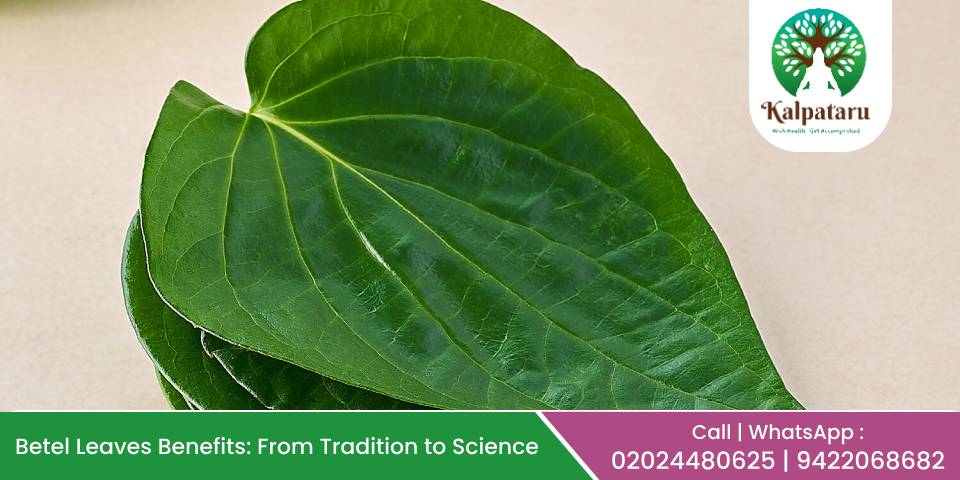
Betel leaf, also known as Piper betle, have been an integral part of traditional medicine and cultural rituals for centuries. Revered in Ayurveda and other ancient healing systems, these heart-shaped leaves are widely valued for their impressive health benefits — offering numerous advantages that modern science is now beginning to validate.
Dr. Manoj M. Deshpande, who holds a Bachelor of Ayurvedic Medicine and Surgery (B.A.M.S.) and is a highly qualified Ayurvedacharya with over 25 years of experience, is a specialist in Ayurvedic Treatment for Skin Diseases and is recognised as the Best Ayurvedic Doctor in Pune, PCMC, and Mumbai. With deep expertise in managing conditions such as Psoriasis, Urticaria, and many other diseases, Dr. Deshpande notes that betel leaves have been used in clinical Ayurvedic practice for generations — particularly for their role in digestive health, respiratory relief, oral hygiene, and wound healing. Recent research adds further support to these traditional claims, with studies suggesting that extracts from betel leaves may have beneficial effects in the treatment of certain types of blood cancers, further strengthening the evidence for their antioxidant, anti-inflammatory, and therapeutic properties.
Ayurveda, India’s ancient medical system, has long recognised the medicinal value of betel leaves, known in Sanskrit as “Tambul.” From improving digestion to supporting oral and respiratory health, betel leaves benefits have been trusted for generations. In this article, Dr. Deshpande takes you through 15 scientifically validated betel leaf benefits — bridging classical Ayurvedic wisdom with modern research.
Traditional Uses of Betel Leaves:
Betel leaves hold a significant place in various cultures, particularly in South and Southeast Asia. Some of the prominent traditional uses include:
- Ayurvedic Medicine: Used for treating cough, wounds, headaches, and digestive issues.
- Religious & Social Practices: Offered in prayers and used in betel quid for ceremonial purposes.
- Folk Remedies: Applied externally for pain relief and consumed for oral hygiene and respiratory health.
Ayurvedic Use of Betel Leaf:
In Ayurveda, betel leaves are considered a powerhouse of medicinal properties. They are categorized under “Vata-Kapha Shamak” herbs, meaning they help balance Vata (air and space elements) and Kapha (water and earth elements) in the body. Some key Ayurvedic uses include:
- Digestive Tonic: Betel leaves are used to stimulate digestion and improve gut health by enhancing the secretion of digestive enzymes.
- Detoxification: They are believed to help cleanse the body of toxins and improve liver function.
- Oral Health: Traditional Ayurvedic texts recommend chewing betel leaves to strengthen gums, prevent bad breath, and reduce oral infections.
- Respiratory Relief: Betel leaves are used in Ayurveda to alleviate respiratory issues like cough, asthma, and bronchitis by clearing mucus and acting as a natural bronchodilator.
- Skin Healing: Due to their antiseptic properties, betel leaves are applied to wounds, cuts, and skin irritations for faster healing.
- Shwaskuthar: An Ayurvedic medicine that includes betel leaves for treating respiratory ailments.
- Tambulsavam: A formulation derived from betel leaves, traditionally used in Ayurvedic practices.
15 Scientific Health Benefits of Betel Leaves
Recent scientific research has uncovered multiple health benefits of betel leaves, corroborating many traditional Ayurvedic claims:
1. Rich in Antioxidants: They contain polyphenols and flavonoids that neutralize free radicals, reducing oxidative stress and inflammation throughout the body.
2. Stimulates Digestive Enzymes: The essential oils in the leaves trigger digestive enzymes, helping the body break down food more efficiently.
3. Relieves Bloating and Acidity: Chewing these leaves increases saliva and gastric juices, which naturally relieve constipation, bloating, and gas.
4. Superior Oral Hygiene: Their antibacterial properties fight oral pathogens, significantly reducing the risk of cavities, gum disease, and persistent bad breath.
5. Respiratory Relief: With expectorant and bronchodilator effects, they help clear mucus and provide relief from asthma, bronchitis, cough, and congestion.
6. Accelerates Wound Healing: When applied topically as a paste, the antimicrobial properties speed up the healing of skin injuries and prevent infections.
7. Stress and Anxiety Management: Betel leaves act as a mild natural stimulant that can improve mood, promote mental clarity, and help alleviate symptoms of anxiety.
8. Immune System Support: The high Vitamin C content and antioxidants strengthen the immune system, helping the body resist seasonal infections.
9. Blood Sugar Regulation: Bioactive compounds in the leaves help stabilize blood glucose levels, making them a useful natural aid for managing diabetes.
10. Cardiovascular Health: They help regulate cholesterol levels and reduce inflammation in the blood vessels, supporting long-term heart health.
11. Natural Pain Relief: Traditionally used as a poultice, they possess anti-inflammatory effects that soothe headaches, joint pain, and muscle soreness.
12. Metabolism Boost for Weight Loss: Chewing betel leaves after meals can increase your metabolic rate and help suppress excessive appetite.
13. Acne and Skin Care: Their antibacterial nature helps combat acne-causing bacteria and reduces skin inflammation for a healthier, glowing complexion.
14. Anti-Fungal Protection: Studies suggest they are effective against various fungal strains, making them useful for treating minor skin fungal issues.
15. Improved Saliva Production: Increased saliva acts as a natural buffer for the mouth, maintaining a healthy pH balance and protecting tooth enamel.
Betel Leaf Benefits for Women
In traditional practice, betel leaf is part of everyday wellness in many Indian households.
- Digestion and appetite: Chewed or taken as warm water after meals, it eases heaviness and gas.
- Oral freshness: The plain leaf has long been used for fresh breath and mouth care.
- External care: A paste or warm leaf compress is traditionally used for minor skin irritation.
Important for women: Avoid medicinal amounts of betel leaf during pregnancy and breastfeeding unless your doctor approves. Do not self-treat irregular periods or hormonal problems with betel leaf. Consult a physician.
How to Use Betel Leaves?
Ayurveda uses the plain betel leaf in a few simple forms. Choose the method that suits your purpose, and always use fresh, clean leaves.
1. Chewing the Fresh Leaf: Chew one fresh leaf slowly after meals. It supports digestion and freshens the breath. Use only the plain leaf. Do not add tobacco, areca nut or sweetened pastes.
2. Fresh Leaf Juice: Wash 2 fresh leaves, crush them and squeeze out the juice, about one teaspoon. Mix it with half a teaspoon of honey and take it once a day. This is the form most often used as a home remedy for cough.
3. Boiled Betel Leaf Water: Boil 2 leaves in 1 glass (about 200 ml) of water for 5 minutes. Strain it and drink it warm, after a meal. If you have acidity, take only a few sips at first.
4. Betel Leaf Tea: Add 2 leaves and a small piece of fresh ginger to a cup of hot water. Cover and steep for 5 minutes, strain, and drink warm. Have one cup a day.
5. Leaf Paste for External Use: Crush 2–3 leaves into a smooth paste and apply a thin layer on minor skin irritation or a bruise. Do a patch test on a small area first. Wash it off after 20 minutes. Do not apply it on deep wounds.
Dose and suitability depend on your age, body type (prakriti) and health condition. Consult an Ayurvedic physician before using betel leaf as a remedy.
Additional Uses of Betel Leaves:
In addition to the health benefits mentioned earlier, betel leaves have some lesser-known uses:
- Skin Care: The antimicrobial properties of betel leaves make them effective in treating acne, skin infections, and minor wounds.
- Weight Management: Some studies suggest that betel leaves may help improve metabolism and support weight loss efforts.
- Stress Reduction: Betel leaves have a mild calming effect and are used in traditional practices to reduce stress and anxiety.
- Insect Repellent: The strong aroma of betel leaves acts as a natural insect repellent, keeping mosquitoes and bugs at bay.
- Hair Health: Betel leaves have been used to promote hair growth and prevent dandruff when applied as a hair mask or infused in oils.
- Cultural Significance: In Indian culture, consuming betel leaves with areca nut, fennel seeds, clove, cardamom, or guava leaves is a common practice. This traditional preparation is believed to aid digestion and freshen breath.
Betel Leaf Side Effects and Who Should Avoid It
Plain betel leaf is generally safe in small amounts, but it does not suit everyone.
The biggest risk is how it is eaten. Betel quid (paan) made with tobacco or areca nut is linked to oral cancer, gum disease and mouth sores. The benefits in this article apply only to the plain leaf.
Possible side effects of excess use
- Acidity or stomach irritation
- Mouth or throat irritation
- Allergic reaction such as rash, itching or swelling. Stop use if this happens.
Talk to a doctor first if you:
- are pregnant or breastfeeding
- take blood thinners, diabetes medicines or other regular medication
- have a chronic condition such as diabetes, or liver or kidney disease
- are planning surgery
See a doctor promptly if a cough lasts more than 2–3 weeks, or you notice blood, high fever or breathing difficulty.
Recommendations:
- Avoid consuming betel leaves from commercial stalls that use artificial additives.
- Opt for traditional preparations without added sweeteners or chemicals to retain the natural health benefits.
Conclusion:
Betel leaves are a remarkable gift of nature, bridging ancient wisdom and modern scientific validation. Whether for digestive aid, oral hygiene, or anti-inflammatory benefits, incorporating betel leaves into daily life can be a natural way to enhance well-being. However, mindful and moderate use is key to harnessing their full potential safely.
As scientific research progresses, we may uncover even more hidden benefits of betel leaves, further strengthening their position as a valuable natural remedy. Until then, these leaves continue to play a significant role in both traditional and modern wellness practices, proving their enduring importance in holistic health.
Dr. Manoj Deshpande and Dr. Aparna Deshpande at Kalpataru Ayurvediya Chikitsalaya® Clinic provide the best Ayurvedic Treatment for Psoriasis & various diseases in Pune, Maharashtra. For more information about our comprehensive treatment options, or to requestan appointment with the best Ayurvedic Doctor in Pune, call +919422068682 / +919764837167 / 020-24480625 or Click on Book an Appointment.
FAQs on Betel Leaf
The betel leaf, scientifically known as Piper betle, is a heart-shaped, glossy green leaf belonging to the pepper family. In India, it is popularly known as ‘Paan.’ For centuries, it has been more than just a leaf; it is a symbol of hospitality and a cornerstone of traditional medicine. As Dr. Manoj Deshpande explains in his blog, these leaves are a “powerhouse of nutrients” containing essential oils, vitamins like Vitamin C, and minerals that provide a natural boost to our body’s internal systems.
Yes, when consumed or used correctly, betel leaf is exceptionally good for health. It is rich in antioxidants that fight oxidative stress and inflammation. Dr. Manoj Deshpande highlights that in Ayurveda, these leaves are considered “Vata-Kapha Shamak,” meaning they help balance the air and water elements in our body. This balance is crucial for maintaining heart health, improving metabolism, and boosting overall immunity.
Betel leaves can be consumed in the following ways:
- Fresh: Chewing clean, raw leaves directly.
- Traditional Paan: Wrapped with natural ingredients like fennel seeds, cardamom, and rose petal jam (gulkand).
- Infusion: Boiled in water to make a herbal tea or decoction.
- Juice: Crushed or blended into a juice for digestive support.
For the best results, avoid using tobacco or excessive artificial sweeteners with the leaves.
In Ayurveda, betel leaf juice with honey is a traditional home remedy for cough. It gives comfort but does not replace treatment. See a doctor if the cough lasts more than 2–3 weeks.
Betel leaf water is traditionally taken in small amounts for short periods, such as one to two weeks at a time, followed by a break. Stop if you notice acidity or irritation.
Avoid medicinal use during pregnancy unless your doctor approves.
Betel leaf is used traditionally as a supportive home measure. Piles need a proper diagnosis, so consult an Ayurvedic doctor, especially if there is bleeding.
Traditionally, after meals. Avoid large amounts on an empty stomach.
Some early studies exist, but the evidence is limited. Do not use betel leaf in place of your medication.