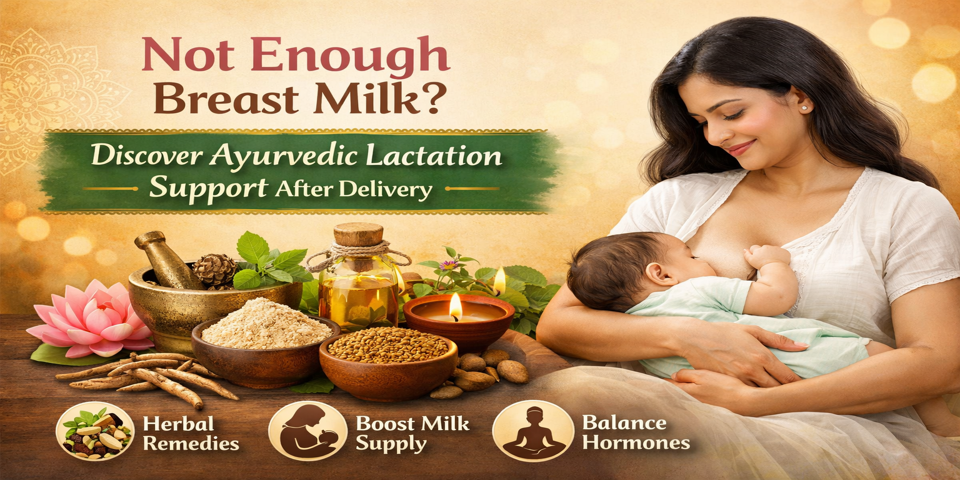
Welcoming a newborn brings immense joy, but it can also come with unexpected challenges. One of the most common concerns new mothers face is whether they are producing enough breast milk. This worry often leads to stress, which can further affect milk production.
If you’re experiencing low milk supply, it’s important to understand that this is quite common—and more importantly, it can be improved naturally with the right support. Ayurveda offers time-tested solutions that not only enhance lactation but also strengthen the mother’s overall health.
At Kalpataru Ayurvediya Chikitsalaya™, new mothers receive personalized Ayurvedic care designed to improve lactation safely and effectively.
Understanding Low Breast Milk Supply:
In Ayurveda, low milk production is referred to as Stanya Kshaya. It is not just a physical issue but often a result of multiple factors affecting the body and mind.
Many mothers experience reduced milk supply due to lifestyle and physiological reasons such as:
- Emotional stress or anxiety after delivery
- Nutritional deficiencies or improper diet
- Hormonal imbalances
- Recovery after cesarean section
- Lack of adequate rest
You may notice signs like your baby remaining unsatisfied after feeding, slow weight gain, or reduced fullness in the breasts. These are indicators that your body may need additional nourishment and support.
Ayurvedic View: Why Milk Supply Reduces
Ayurveda explains that breast milk (Stanya) is formed from the body’s primary nutritional fluid called Rasa Dhatu. When digestion (Agni) is weak or nutrition is insufficient, milk production may naturally decline.
This is why Ayurveda focuses not only on increasing milk directly but on improving the mother’s digestion, nutrition, and emotional balance.
A healthy mother leads to healthy lactation.
Natural Ayurvedic Remedies to Improve Lactation:
Ayurvedic herbs have been used for centuries to support breastfeeding mothers. These remedies work gently with the body and are safe when taken under expert guidance.
One of the most trusted herbs is Shatavari, known for its powerful ability to enhance milk production while balancing hormones and improving strength. It is often considered the cornerstone of Ayurvedic lactation support.
Other helpful remedies include:
- Fenugreek (Methi): Stimulates milk production and supports digestion
- Cumin seeds (Jeera): Enhances milk flow and improves nutrient absorption
- Fennel seeds (Saunf): Helps in milk secretion and reduces colic in babies
- Garlic: Boosts immunity and supports healthy lactation
These natural ingredients are often included in daily diets or prescribed as part of customized Ayurvedic formulations.
Importance of Diet in Breast Milk Production:
What a mother eats directly impacts the quality and quantity of breast milk. Ayurveda strongly emphasizes a warm, nourishing, and easily digestible diet after delivery.
A lactation-supportive diet typically includes wholesome foods such as ghee, milk, moong dal, whole grains, and dry fruits like almonds and dates. These foods help build strength and improve milk production naturally.
At the same time, certain foods should be minimized as they can disturb digestion and reduce milk supply. These include:
- Processed and junk foods
- Excess tea or coffee
- Cold or refrigerated items
- Very spicy or fried foods
Maintaining a balanced diet is one of the simplest yet most powerful ways to improve lactation.
Additional Medical Factors Affecting Milk Production:
Certain medical conditions can naturally reduce breast milk production and should not be overlooked:
- Hypothyroidism: Low thyroid function can reduce prolactin hormone levels, which are essential for milk secretion. Hence, checking and maintaining normal thyroid levels is very important.
- Anemia (Low Hemoglobin): If hemoglobin levels fall below 10 g/dL, it can negatively impact milk production.
- Cesarean Delivery (C-Section): Post-surgical pain and discomfort may reduce frequent breastfeeding and skin-to-skin contact, which are crucial for stimulating lactation.
Recognizing these conditions early and taking appropriate treatment is essential for improving lactation outcomes.
Ayurvedic Postnatal Care for Better Lactation:
Post-delivery care plays a crucial role in restoring the mother’s health. Ayurveda offers specialized therapies that not only aid recovery but also enhance breast milk production.
At Kalpataru Ayurvediya Chikitsalaya™, postnatal care includes therapies such as Abhyanga (oil massage), which helps improve blood circulation, reduce stress, and balance hormones. Along with therapies, mothers are given personalized herbal medicines tailored to their body constitution.
These treatments focus on:
- Rebuilding strength after delivery
- Supporting hormonal balance
- Enhancing natural milk production
- Promoting emotional well-being
Simple Lifestyle Practices That Make a Big Difference:
Along with diet and medicines, daily habits significantly influence lactation. Small changes in routine can lead to noticeable improvements.
Make sure to:
- Breastfeed frequently to stimulate milk production
- Ensure proper latching technique
- Stay hydrated with warm fluids
- Take sufficient rest and sleep
- Practice relaxation techniques to reduce stress
Feeding Frequency & Technique:
Frequent breastfeeding is one of the most important factors for improving milk production.
- Feeding the baby every 2–3 hours, including during the night, significantly improves lactation.
- The more the baby suckles, the better the hormonal stimulation for milk production.
👉 Proper latching technique is equally important:
- Correct positioning and latching ensure effective milk transfer
- Mothers should learn proper techniques from doctors or experienced caregivers
- Early correction leads to better long-term outcomes
Making Ayurvedic Foods More Acceptable:
- These ingredients can be prepared in traditional forms like kheer, porridge, or laddoos
- This ensures regular intake while maintaining taste and comfort
- It is important that these medicinal foods enter the body in any acceptable form
Important Note on Shatavari:
Although Shatavari Kalp is commonly used after delivery:
- It may contain high amounts of sugar
- Excess sugar intake is not always advisable
👉 A better approach can be:
- Using low-sugar formulations, or
- Consuming pure Shatavari powder with milk
This ensures effective dosage without unnecessary sugar intake.
Mental Health, Rest & Environment:
- A calm and peaceful setting is essential during feeding
- Avoid chaotic, noisy, or stressful surroundings
- High stress, anxiety, and tension negatively affect milk production
- Emotional support from family is vital
- Sleep deprivation can create hormonal imbalance
- Even if interrupted, mothers should try to compensate sleep during the day
When Should You Consult an Expert?
While mild lactation issues can improve with home remedies, some situations require professional guidance. If low milk supply persists or your baby is not gaining weight adequately, it’s important to seek help.
An Ayurvedic expert can identify the root cause and provide a personalized treatment plan that addresses your specific needs.
Why Choose Kalpataru Ayurvediya Chikitsalaya™?
Kalpataru Ayurvediya Chikitsalaya™ has earned the trust of countless patients through its commitment to authentic and result-oriented Ayurvedic care.
With over 25 years of experience, the clinic offers a holistic approach that focuses on both the mother and the baby. Every treatment plan is carefully designed based on the individual’s health condition and requirements.
Under the expert guidance of Dr. Manoj Deshpande and Dr. Aparna Deshpande, patients receive compassionate care combined with deep Ayurvedic knowledge. Their approach ensures not just improved lactation, but complete postnatal recovery and long-term wellness.
Final Thoughts:
Experiencing low breast milk supply can be stressful, but it is important to remember that this phase is temporary and manageable. With proper nutrition, Ayurvedic support, and the right lifestyle, most mothers can successfully improve their milk production.
Ayurveda offers a gentle, natural, and holistic path—helping mothers regain strength while ensuring their baby receives the best nourishment.
Book Your Consultation:
If you’re facing challenges with breastfeeding, don’t wait or worry unnecessarily. Early support can make a significant difference.
Visit Kalpataru Ayurvediya Chikitsalaya™ for expert Ayurvedic lactation care and begin your journey towards healthy motherhood.