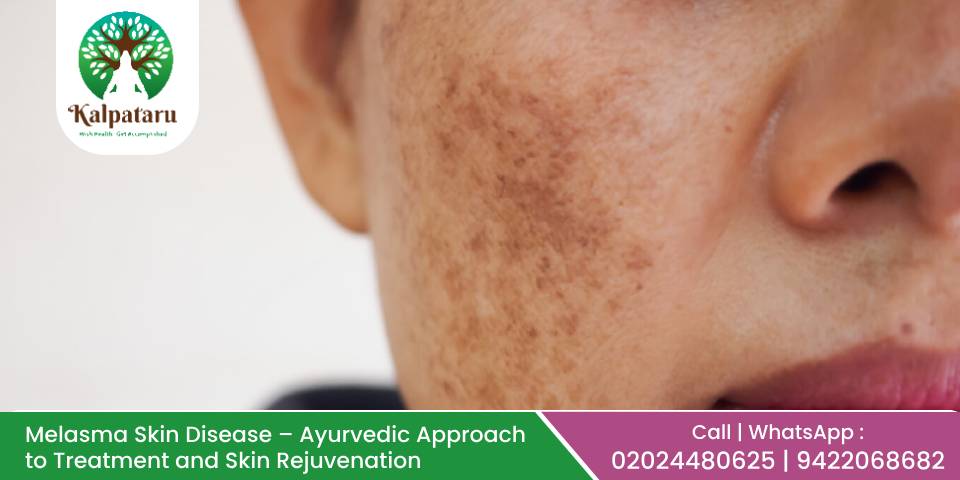
Melasma, also known in Ayurveda as “Vyang” or “Neelika” (a pigmentation disorder), is a common skin disease that leads to brown or gray-brown patches on the skin—typically seen on the cheeks, forehead, bridge of the nose, and upper lip. It mainly affects women, especially those with darker complexions, and is often triggered by sun exposure, hormonal changes, and stress.
At Kalpataru Ayurvediya Chikitsalaya™, we believe in treating such conditions by managing their root causes rather than just masking the symptoms. Dr. Aparna and Dr Manoj Deshpande, Ayurvedic Skin Specialists in Pune, offers specialized and personalized herbal treatments for Wang (melasma) and other chronic skin conditions through Ayurveda and Panchakarma therapies. Book your consultation today for long-lasting, natural results.
Let’s dive into how Ayurveda interprets and treats melasma.
What is Wang (Melasma) in Ayurveda?
In Ayurveda, Wang or melasma is described under Kshudra Kushtha (minor skin disorders). It is associated with Vata-Pitta dosha vitiation and impurities in the Rakta (blood) and Mamsa dhatu (muscle tissue). When these doshas are imbalanced, they lead to the production and accumulation of toxins (ama) in the body. These toxins circulate in the bloodstream and eventually manifest as discoloration or pigmentation on the skin.
Common Causes of Melasma in Ayurveda:
According to Ayurvedic texts and clinical observation, the following factors can contribute to the evolution of melasma:
- Pitta Dosha Imbalance: Pitta governs heat, metabolism, and digestion. When upset by factors like sun exposure, spicy food, or stress, Pitta accumulates in the blood and skin, leading to pigmentation.
- Hormonal Imbalances: During pregnancy (often called the “mask of pregnancy”), menopause, or due to birth control pills, hormones may aggravate Pitta and Vata doshas, triggering melasma.
- Excessive Sun Exposure:The heat from the sun increases Pitta, leading to burning and darkening of the skin, specifically in Pitta-predominant individuals.
- Use of Harsh Chemicals & Cosmetics: Products that are not compatible with one’s skin type can cause Pitta vitiation and local inflammation, resulting in pigmentation.
- Mental Stress and Lack of Sleep: Vata and Pitta’s imbalances are also caused by chronic stress, insomnia, and overthinking, all of which negatively affect skin health.
- Poor Digestion (Agnimandya): Weak digestive fire (Agni) leads to toxin buildup in the system. These toxins (ama) manifest on the skin in various forms, including melasma.
Symptoms of Wang (Melasma):
- Brown, grey-brown, or bluish patches on the cheeks, nose, or forehead.
- Symmetrical appearance (both sides of the face).
- Gradual onset and darkening over time.
- Aggravation during summers or heat exposure.
- Patches may worsen during pregnancy or hormonal therapies.
Ayurvedic Diagnosis:
At Kalpataru Ayurvediya Chikitsalaya™, diagnosis of melasma involves:
- Prakriti analysis – Understanding the patient’s unique dosha constitution.
- Nadi Pariksha – Pulse examination to detect internal imbalances.
- Darshanam & Sparshanam – Visual and tactile assessment of the affected area.
- History of symptoms – Including dietary, lifestyle, stress levels, and hormonal issues.
Ayurvedic Treatment for Wang Skin Disease (Melasma):
Ayurveda doesn’t just treat the skin’s surface but focuses on inner purification and nourishment. The method includes Shodhana (detoxification), Shamana (pacification), Rasayana (rejuvenation), and local therapies.
1. Shodhana (Detoxification Therapies):
Detoxifying the body helps remove the root cause of pigmentation. Panchakarma treatments are highly effective:
- Virechana (Purgation Therapy) – Balances Pitta and cleanses toxins from the liver and blood.
- Raktamokshana (Bloodletting) – Helpful in purifying the blood and clearing pigmented spots.
- Nasya (Nasal administration of medicated oils) – Helps reduce hormonal imbalances and skin disorders.
- Basti (Medicated Enema): Especially useful if Vata involvement is present along with hormonal imbalance.
2. Shamana (Internal Medications):
Internal herbs and formulations that pacify aggravated doshas are prescribed:
- Manjishtha (Rubia cordifolia) – Blood purifier and skin brightener.
- Sariva (Hemidesmus indicus) – Detoxifies blood and cools Pitta.
- Lodhra (Symplocos racemosa) – Skin rejuvenator.
- Triphala – Mild detoxifier and rejuvenator.
- Khadirarishta – Blood-purifying tonic.
- Arogyavardhini Vati – Supports liver function and clears pigmentation.
- Neem (Azadirachta indica) – Detoxifies the liver and skin.
3. Mukha Lepana (Herbal Face Packs):
Topical herbal applications to lighten the pigmentation:
- Kumkumadi Lepam – Classical Ayurvedic formulation enhanced with saffron.
- Sandalwood paste – Cooling and depigmenting effect.
- Aloe vera gel with turmeric – Soothes the skin and reduces spots.
- Multani mitti with rose water and licorice – Aids lighten melasma patches.
4. Rasayana Therapy (Rejuvenation):
Long-term support for healthy, glowing skin includes Rasayana herbs like:
- Chyawanprash – Boosts immunity and skin health.
- Amalaki (Amla) – Natural antioxidant and skin tonic.
- Ashwagandha – Reduces stress and hormonal imbalance.
5. Dietary Recommendations (Pathya-Apathya):
According to Ayurveda, daily habits play a huge role in skin health.
Do’s:
- Follow a Pitta-pacifying diet: Contains ghee, milk, amla, cucumbers, and leafy greens.
- Maintain hydration and drink herbal teas like coriander, cumin, and fennel tea.
- Get good sleep and avoid staying up late.
- Wear natural sunscreens like aloe vera or turmeric-based creams.
Don’ts:
- Avoid spicy, fermented, and junk food.
- Avoid chemical-laden cosmetics.
- Limit sun exposure between 10 am to 4 pm.
- Reduce stress and overthinking.
6. Lifestyle Changes:
- Practice Pranayama, mainly Sheetali, and Anulom-Vilom to balance Pitta.
- Use herbal sunscreens and wear hats/scarves when outdoors.
- Avoid mental stress through regular meditation and yoga.
- Ensure proper sleep and daily detox practices.
7. Herbal Lepa For Skin Disorders:
Customized herbal pastes, or Lepa, are an integral part of Ayurvedic skincare. These are prepared based on the patient’s Prakriti (body constitution) and the severity of the condition. Depending on the diagnosis, these may be prepared using milk, ghee, or honey as the base.
Some important herbs used in Lepa include:
- Raktachandana (Red Sandalwood) – for cooling and detoxifying the skin
- Lodra – to reduce inflammation and pigmentation
- Jeera (Cumin) & Kala Jeera (Black Cumin) – known for detoxifying and antiseptic properties
- Arjuna – strengthens skin tissues
- Vatankur (Banyan tree buds) – astringent and rejuvenating
- Haritaki (Harada) – a potent detoxifier and rejuvenator
These ingredients help cleanse the skin, reduce Pitta-Rakta-related conditions, and restore the natural complexion.
8. Supportive Internal Medications (Rasakalpa):
In addition to external therapies, Ayurvedic Rasakalpa (herbo-mineral formulations) can be prescribed for internal detoxification and rejuvenation. These may include:
- Laghumalini Vasant
- Vanga Bhasma
- Suwarnrajvangeshwar ras
These classical preparations help strengthen immunity, purify the blood, and support the body’s natural healing processes.
Ayurvedic Perspective on Pitta and Rakta Dushti (Vitiation):
In Ayurvedic medicine, the balance of the Pitta Dosha and the purity of Rakta Dhatu (blood tissue) are vital for maintaining healthy skin and hormonal balance, particularly in women. When these elements become aggravated or impure, it often manifests in symptoms such as excess body heat, inflammatory conditions, and pigmentation disorders, especially on the face.
To address these imbalances, Panchakarma therapies play a significant role. The following treatments are particularly beneficial:
- Virechana (Therapeutic Purgation): Virechana is a detoxification therapy aimed at eliminating excess Pitta through controlled purgation. It helps clear the gastrointestinal tract, regulate metabolism, and reduce internal heat, which is often the root cause of many skin and gynecological disorders.
- Raktamokshana (Bloodletting Therapy): This therapy focuses on cleansing the blood, thereby reducing Rakta Dushti. It is especially useful for chronic skin conditions, pigmentation issues, and inflammatory disorders. It can be done through different techniques including venesection or application of leeches.
- Jalaukavacharana (Leech Therapy): In cases where Pitta and Rakta Dushti are severe, Jalaukavacharana, or the application of medicinal leeches, is highly effective. This therapy draws out impure blood, reduces inflammation, and enhances circulation to the affected areas. It is particularly beneficial for stubborn skin conditions like melasma (freckles), eczema, and psoriasis.
Common Gynecological Complaints & Their Link to Skin Disorders:
Many women experience recurring menstrual issues such as:
- Lower abdominal and back pain during periods
- Irregular cycles or delayed menstruation
- Frequent spotting or early periods
If not addressed in time, these symptoms may lead to deeper imbalances like Rakta Dushti, which can manifest externally as facial pigmentation, dark patches (melasma), and uneven skin tone. Early Ayurvedic intervention can prevent long-term complications.
Preventive Measures in Ayurveda:
- Regular seasonal detox (like Virechana in spring) to keep Pitta under control.
- Avoid suppressing natural urges and late-night activities which vitiate Vata and disturb hormonal balance.
- Rejuvenate the liver regularly with herbal formulations.
Sun Protection for Sensitive Skin:
For individuals with sensitive skin, using sunscreen is essential to prevent pigmentation and further damage. In cases where sunscreen is not accessible, fresh Aloe Vera pulp can serve as a natural alternative. Applying aloe gel to the skin before going out helps cool the skin and provides a mild protective barrier.
Sun Protection for Sensitive Skin:
A concerning trend among many women is the excessive and unsupervised use of over-the-counter topical creams containing high-potency steroids. While these may offer temporary improvement, such as skin lightening and reduction of blemishes, prolonged use leads to:
- Thinning of the skin
- Increased sensitivity
- Higher risk of infections
- Rebound acne or allergic reactions
Conclusion:
Wang skin disease (Melasma) is a common yet uncomfortable condition. Ayurveda offers a holistic and natural approach to treating melasma by identifying the underlying doshic imbalances and correcting them with a blend of Panchakarma, herbal remedies, and lifestyle changes.
At Kalpataru Ayurvediya Chikitsalaya™, our expert Ayurvedic Doctors in Pune create personalized treatment plans that gently but effectively rejuvenate your skin and restore your inner balance.
Start your journey toward clear, radiant skin—the Ayurvedic way!
Contact Kalpataru Ayurvediya Chikitsalaya™ today for a consultation and rediscover your natural glow.